







Briefing
Training · Active attacker / active shooter / amok
Accredited training reaction to an active attacker a active shooter at school — practical training of the Run-Hide-Fight procedure according to the MV ČR methodology. For schools, offices and companies.
11+
years of experience
1000+
organizations
MV ČR
accreditation
The whole of the Czech Republic
jurisdiction
GBH Havlíčkův Brod
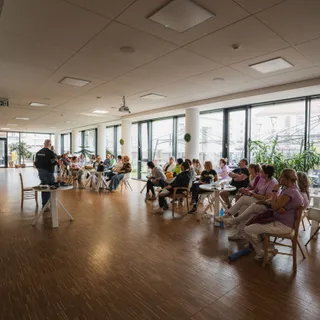
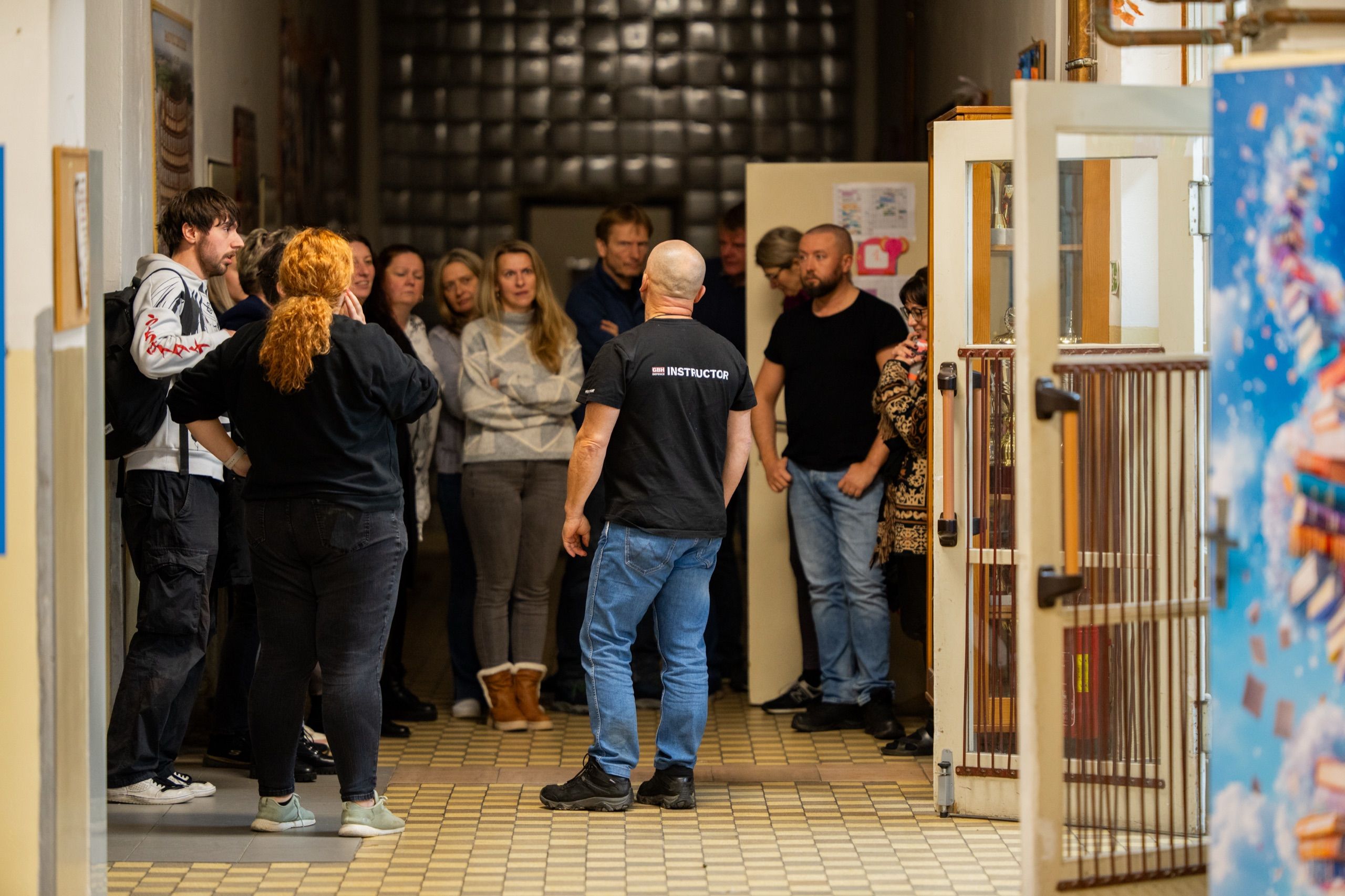
Instruction, model situations and work with the pedagogical team.
A security agency protects the premises. We will prepare your people for the first minutes.
Briefing
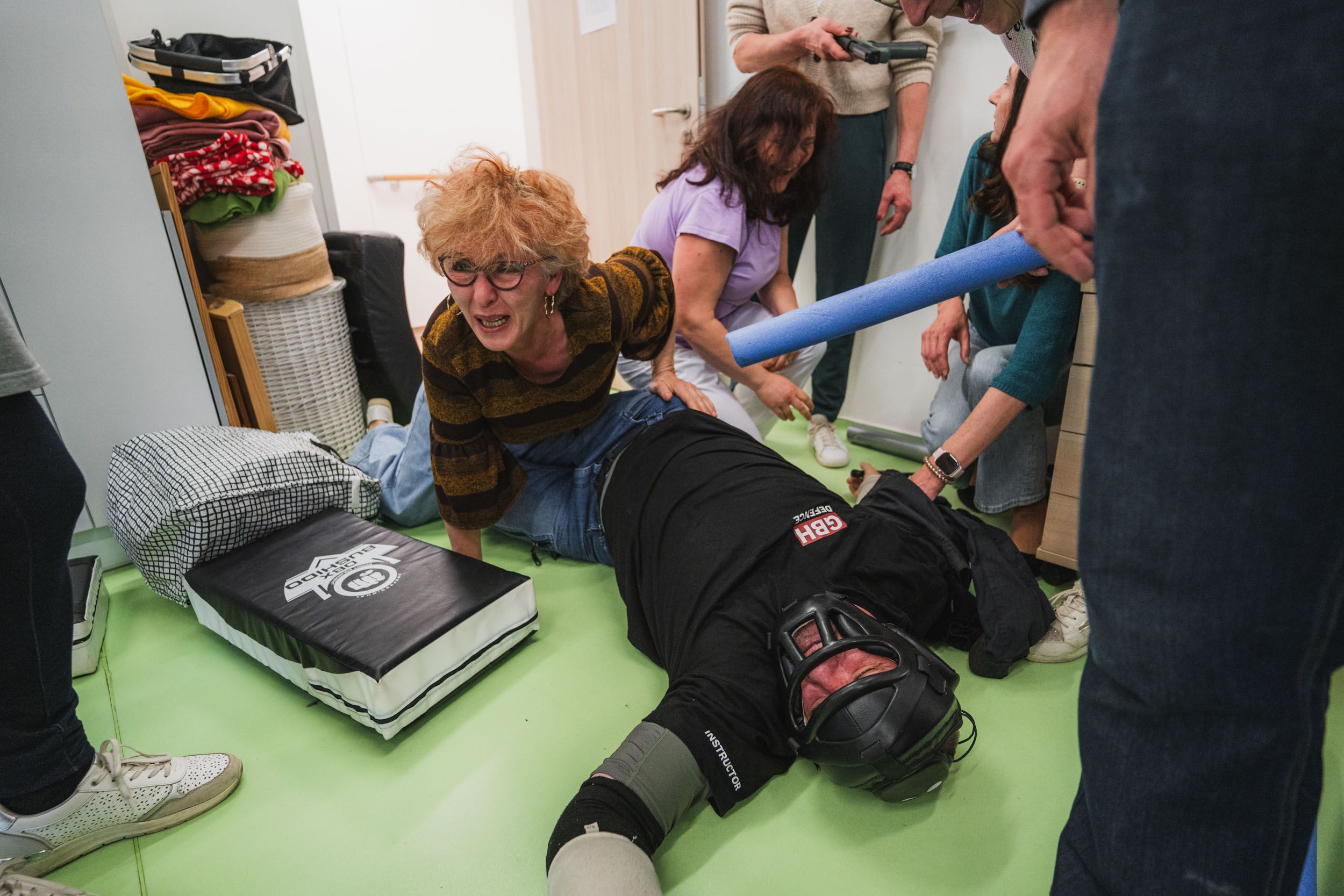
Model situation
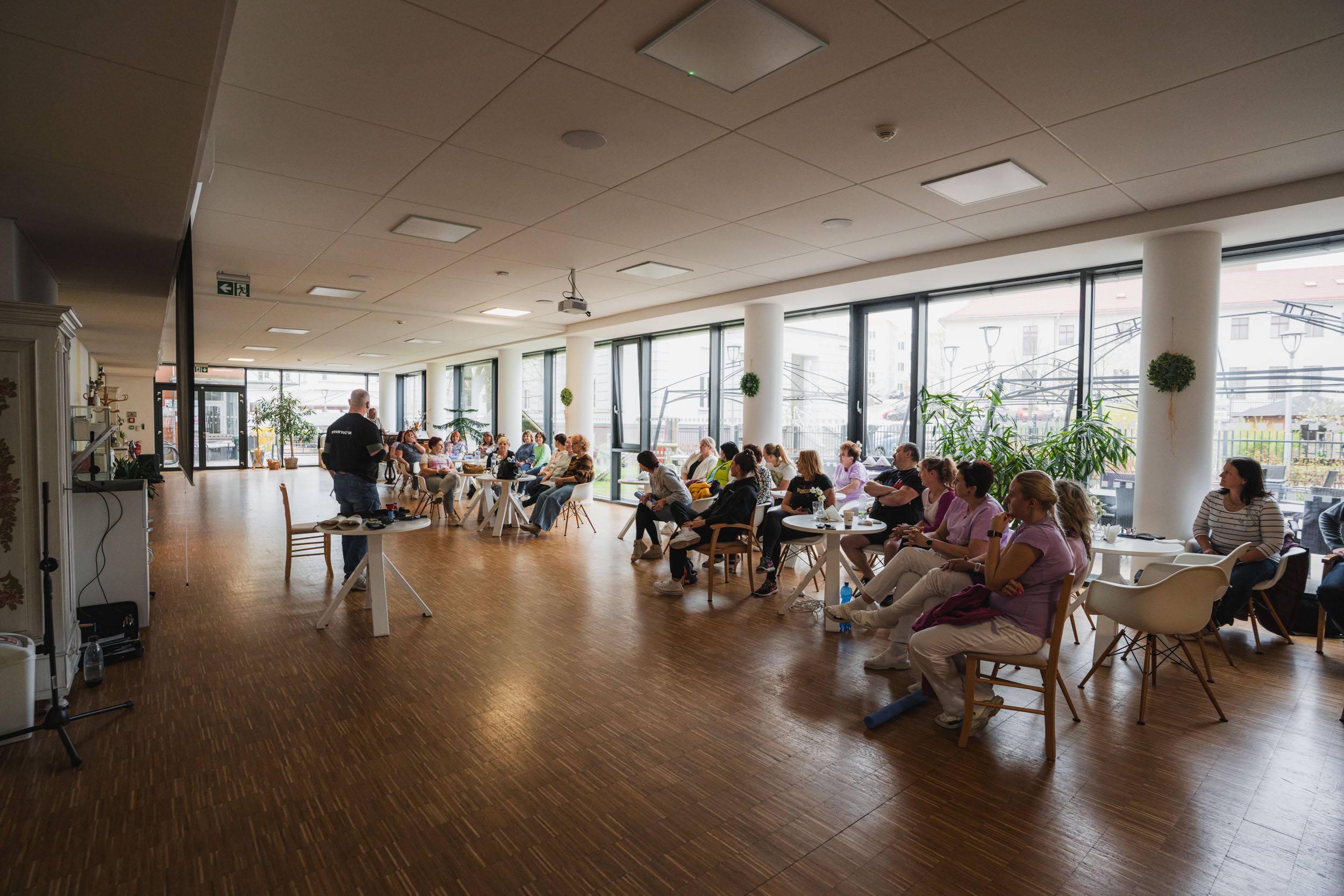
Debrief
The training follows on the object, people, routes and first contact.
The participants do not train for the show, but for decisions under pressure.
Management has a specific output for further security steps.
Choose training for school, office, service, healthcare or company.
Select training8×45 min
For educators / management
5–16×45 min
For pupils by age
AK/I-48/2025
Accreditation MV ČR
URN · SOG
Lecturers with operational experience
Active attacker training (synonyms: active shooter, amok, active shooter at school) is training for responding to an armed attack in a building. Participants are taught the "Run-Hide-Fight" procedure according to the MV ČR methodology for protecting soft targets and the ČSN 73 4400 standard: when to run, when to hide behind a barricade, and when to actively fight. It is not a lecture, but a practical exercise in decision-making in the first seconds of an attack.
For institutions and organizations — schools and their founders (municipalities and cities), authorities, social services, medical facilities and companies, i.e. soft targets in the sense of ČSN 73 4400. We train teaching staff, management and crisis teams, security and frontline staff. Private individuals head to our public "How to Survive an Active Attacker" course.
We combine a short theoretical framework, model situations and a debrief. We practice the Run – Hide – Fight procedure on a specific floor plan of your building. We do not use mock-up weapons or attack simulations with pupils — we work with the logic of age-appropriate instructions and always with parental consent.
We can handle the Pedagogical Corps in one day (8×45 minutes). Management and crisis staff have a specialized one-day module, pupils 5–16×45 minutes depending on age and companies 4–8 hours. We adjust the scope according to the size of the organization and the initial state.
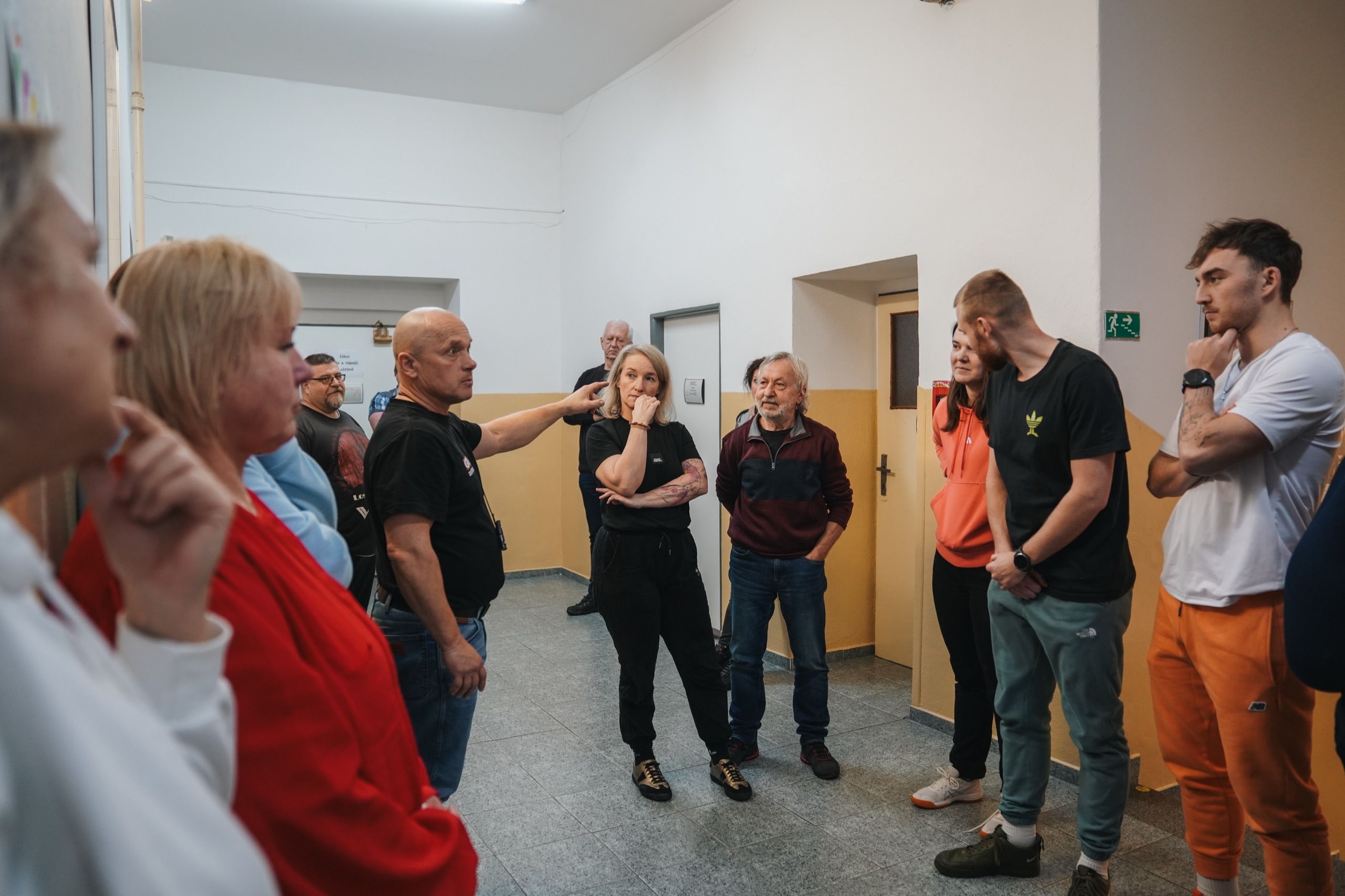
01
Hierarchy of decisions according to police methodology. What to do in the first 30 seconds. When to run, when to hide and create a barricade, when to actively fight. Practical training, not a lecture.
02
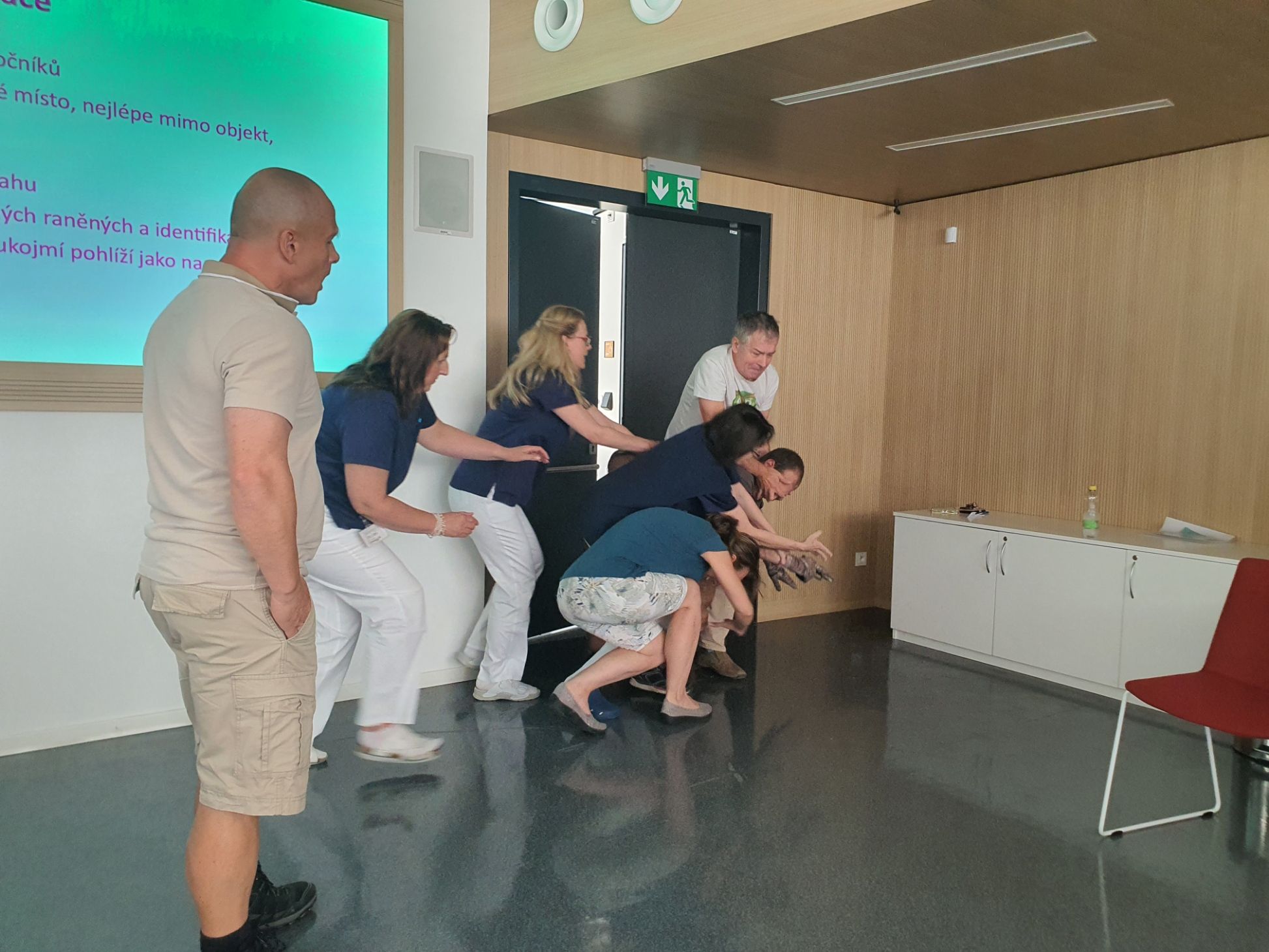
The teacher's procedure in the classroom, door security, student control, communication outside the classroom. How to explain the procedure to children without panic and age-appropriately.
03
Evacuation plan for different attack scenarios. Collection points outside the building, contact IZS, transfer of identification information about pupils and staff.
04
What the Police of the Czech Republic, HZS and ZZS need to know in the first minutes of an intervention. Preparation of the school card according to Annex No. 11 MŠMT 2024.
05
TCCC tactical first aid: massive bleeding, obstructed airway, shock. What to do until the EMS arrives.
06
Crisis communication with parents, media, founder. After-Action Review for school management. Work with post-traumatic reactions of staff.
01
8×45 minutesFull accredited course: procedure, model situations, documentation, crisis communication. The entire teaching staff in one day. Accreditation MV ČR.
Chorus in one day · Lockdown · Crisis communication
02
1 dayA specialized module for the director and safety coordinator — strategic decision-making, coordination with IZS, crisis communication with parents and the media.
Director · Coordinator · IZS
03
5-16×45 minutesAge-appropriate education: Kindergarten (directed play), 1st grade of elementary school (Escape–Hide), 2nd grade of elementary school + high school (full progress). Always with parental consent, no mock attacks.
Kindergarten · Elementary School · High School
04
4-8 hoursApplication of the methodology to the corporate environment: reception, offices, events. Model situation with extras, de-escalation, crisis communication.
Reception · Offices · Events
Topics to which directors a safety coordinators they most often ask during preparation training. Pro jednotlivce z řad veřejnosti nabízíme samostatný kurz.
Start here
Course for the public
01Separate course for individuals outside the school team.
Open detail → Training
02Methodology MV ČR, first contact, team role and response in operation.
Open →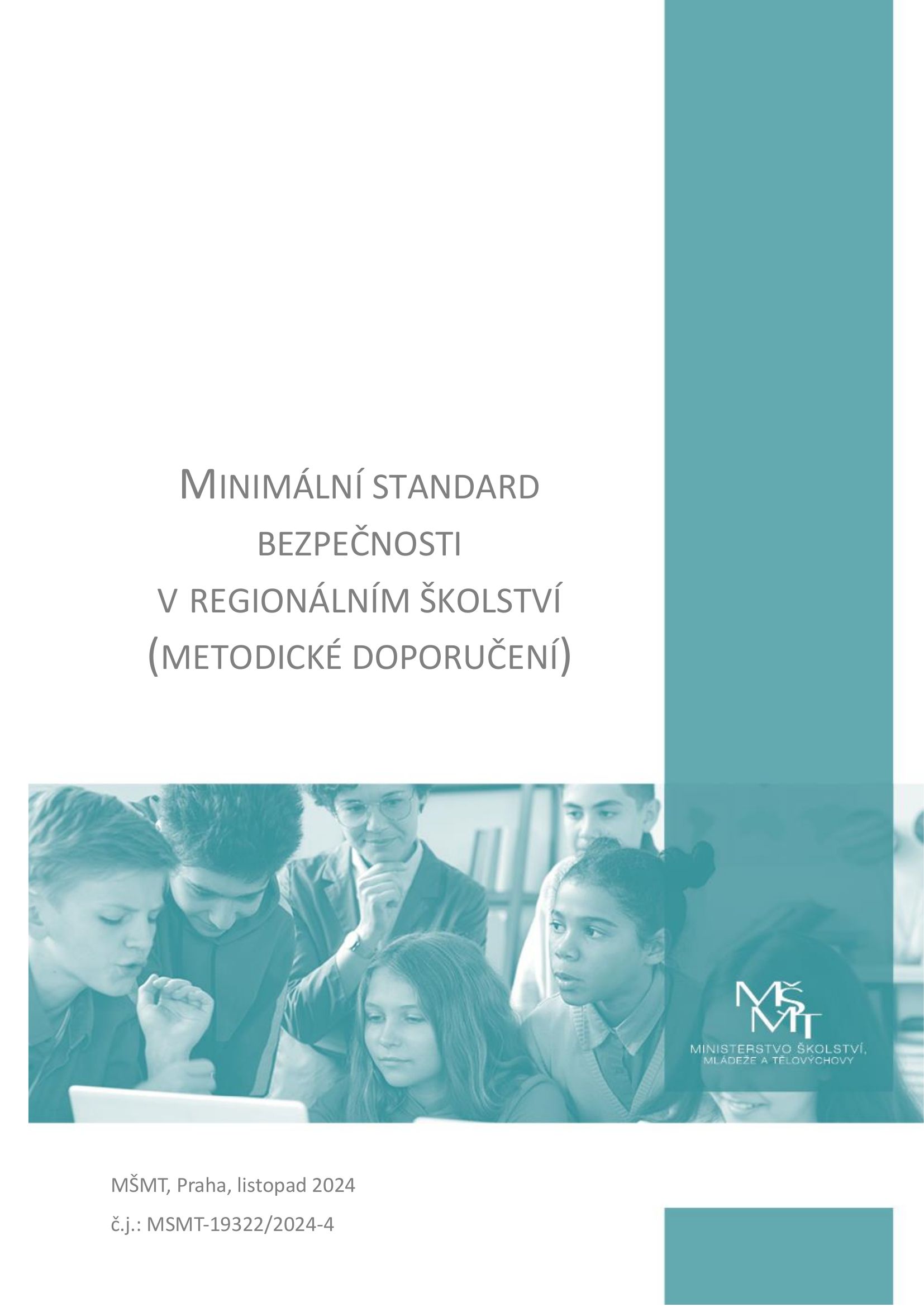
MŠMT 2024
03What must the school management prepare before the audit and training.
Open →
Audits
04Overview of audits for schools, institutions, companies and soft targets.
Open →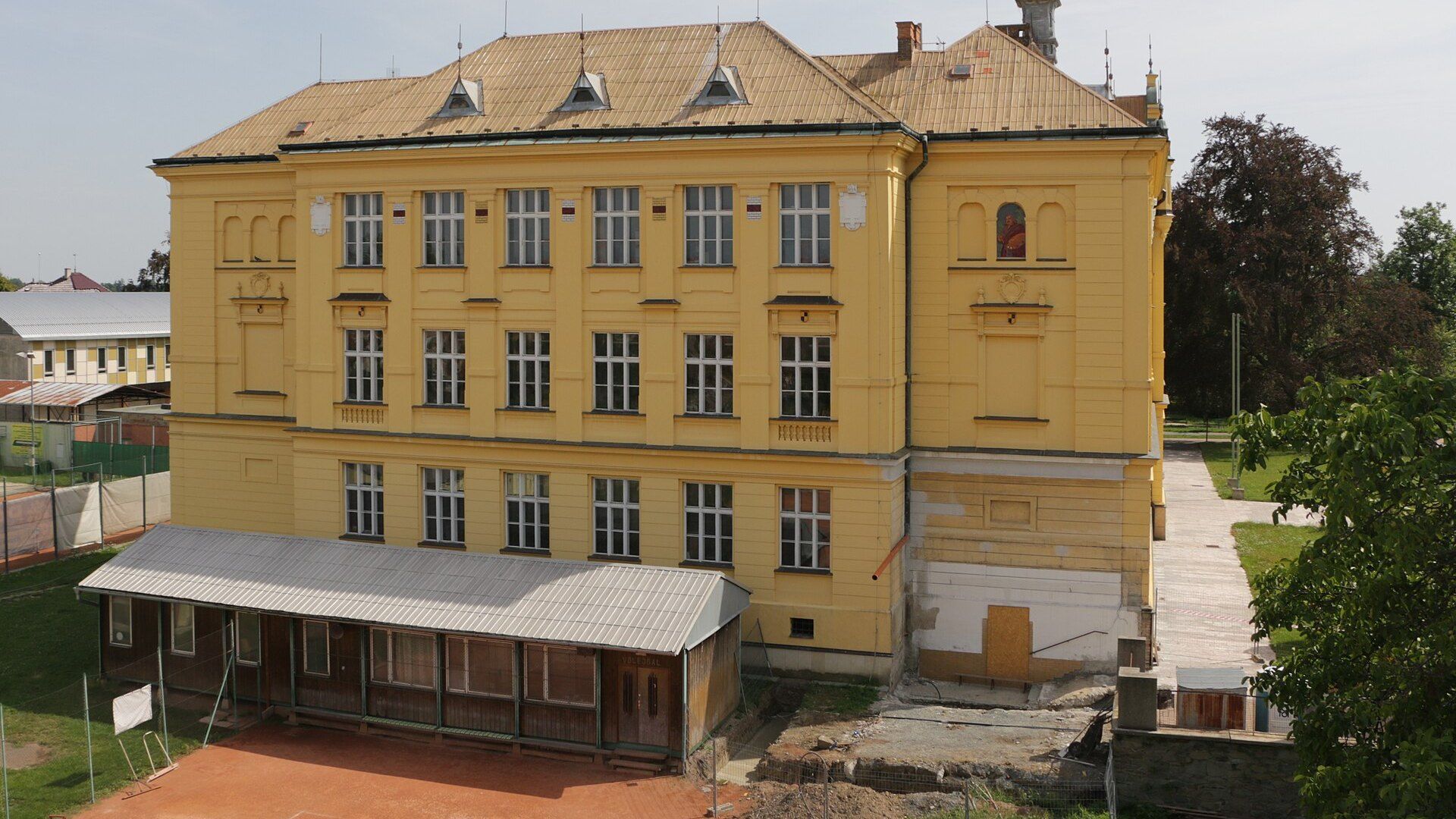
Audit
05Weaknesses, documentation, inputs, cameras and output for founders.
Open →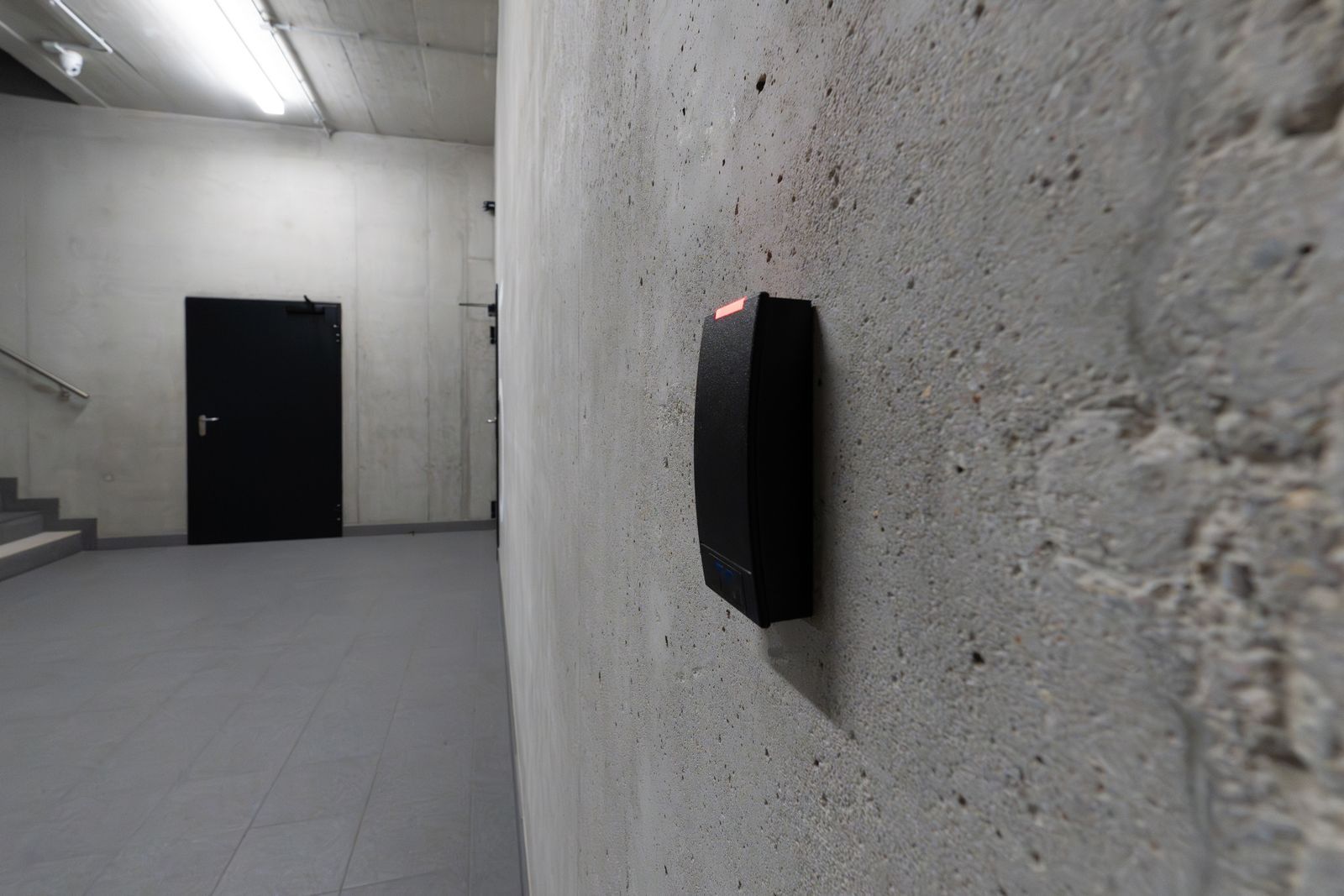
Accreditation
06Why accreditation is important for management, contracts and founders.
Open →The minimum school safety standard (methodology MŠMT 2024) requires that the school has a prepared crisis plan and regularly practices the response to an armed attacker. It prescribes the specific form of training indirectly — trained personnel and practiced lockdown are prerequisites for fulfilling the standard. For authorities and soft targets, the MV ČR methodology for the protection of soft targets and the ČSN 73 4400 standard apply.
This is an institutional (B2B) training for the entire choir or team directly in your building — the price is CZK 49,000 per choir (8×45 min, up to 30 people), we rehearse the procedure on your floor plan, deal with lockdown, school card for IZS and crisis communication. Individuals from the public are headed to our one-day "How to Survive an Active Attacker" course with an open date and cost per person.
Not if it's done right. Our student training is not an attack simulation. No dummy guns, no adrenaline. We work with logic: "when something happens, we listen to the teacher and take three specific steps". For kindergartens, it's more of a game of instructions. Open debate for 2nd grade and primary school. Always with parental consent.
Final report with attendance, photo documentation (after approval), list of proposed amendments to the school's emergency plan, sample school card for IZS, certificate of graduation for teachers. For management, 30 minutes of online consultation for implementation.
MŠMT 2024 (Minimum Standard) explicitly requires regular training, not one-off training. We recommend: introductory training + annual repetition block (4 hours) + model situation once a year. Without repetition, the usability of the decision framework decreases by ~50% in 12 months.
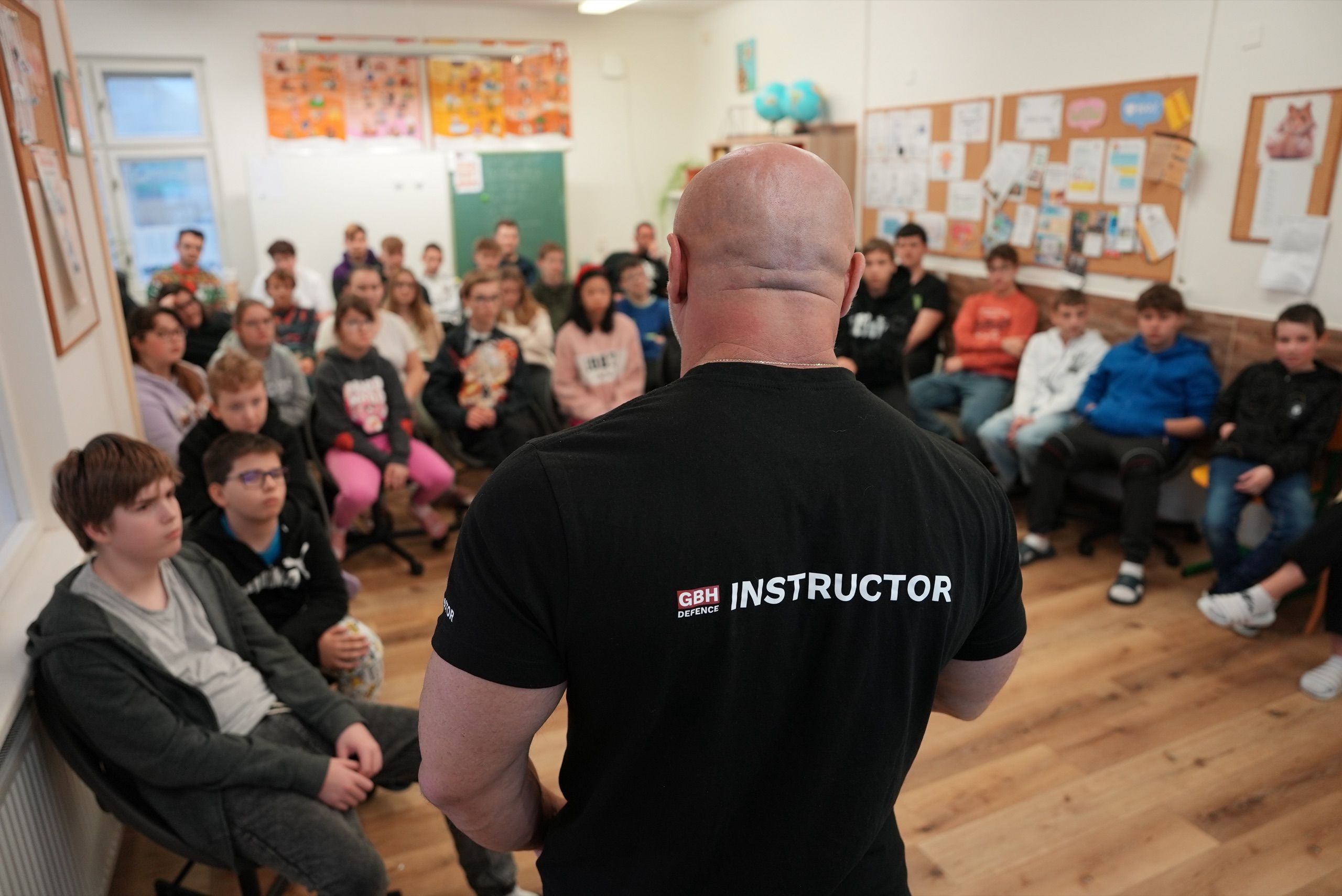
Lecturer team GBH Defence Academy led by Lumír Němec (former SOG commander, 11 years URNA Police of the Czech Republic). It is supplemented by Milan Kotouč (soft target protection commander), Luděk Trojánek (close protection) and other instructors with real operational experience. Accreditation MV ČR AK/I-48/2025.
Yes. OP JAK 2021–2027 supports measures in the area of school safety incl. staff training. When applying for a grant, we provide support — a course description structured as an eligible expense, plus an accreditation certificate MV ČR as an attachment to the application.
Standard price CZK 49,000 for training of the teaching staff of one school (8×45 min, up to 30 people). There are three ranges in the price list: AMOK 1 (up to 30 persons, CZK 49,000), AMOK 2 (up to 50 persons, CZK 79,000) and AMOK 3 (up to 100 persons, CZK 139,000). For multi-day programs, larger choirs or a combination of teachers + students, we will prepare a tailor-made calculation.
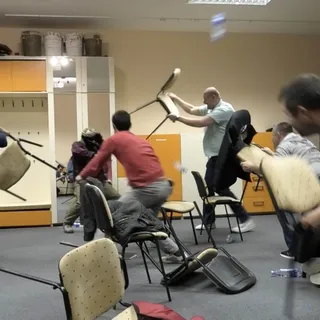
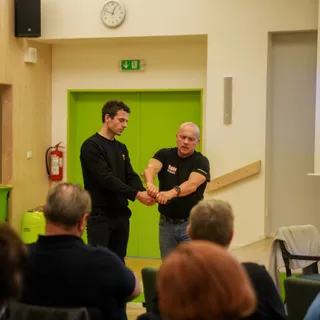
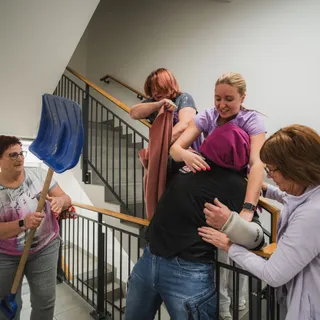
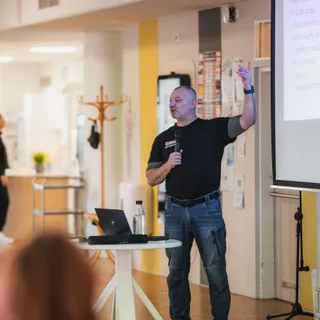
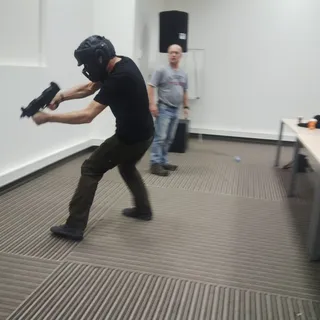
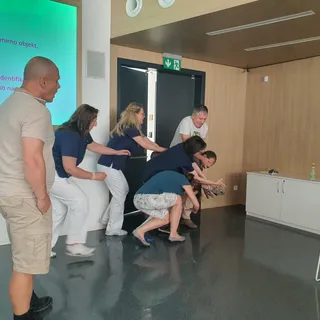
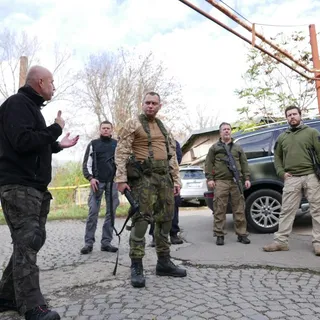
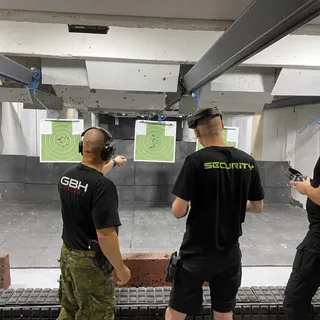
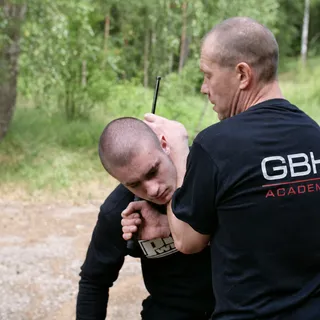
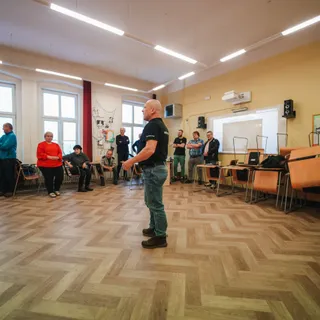
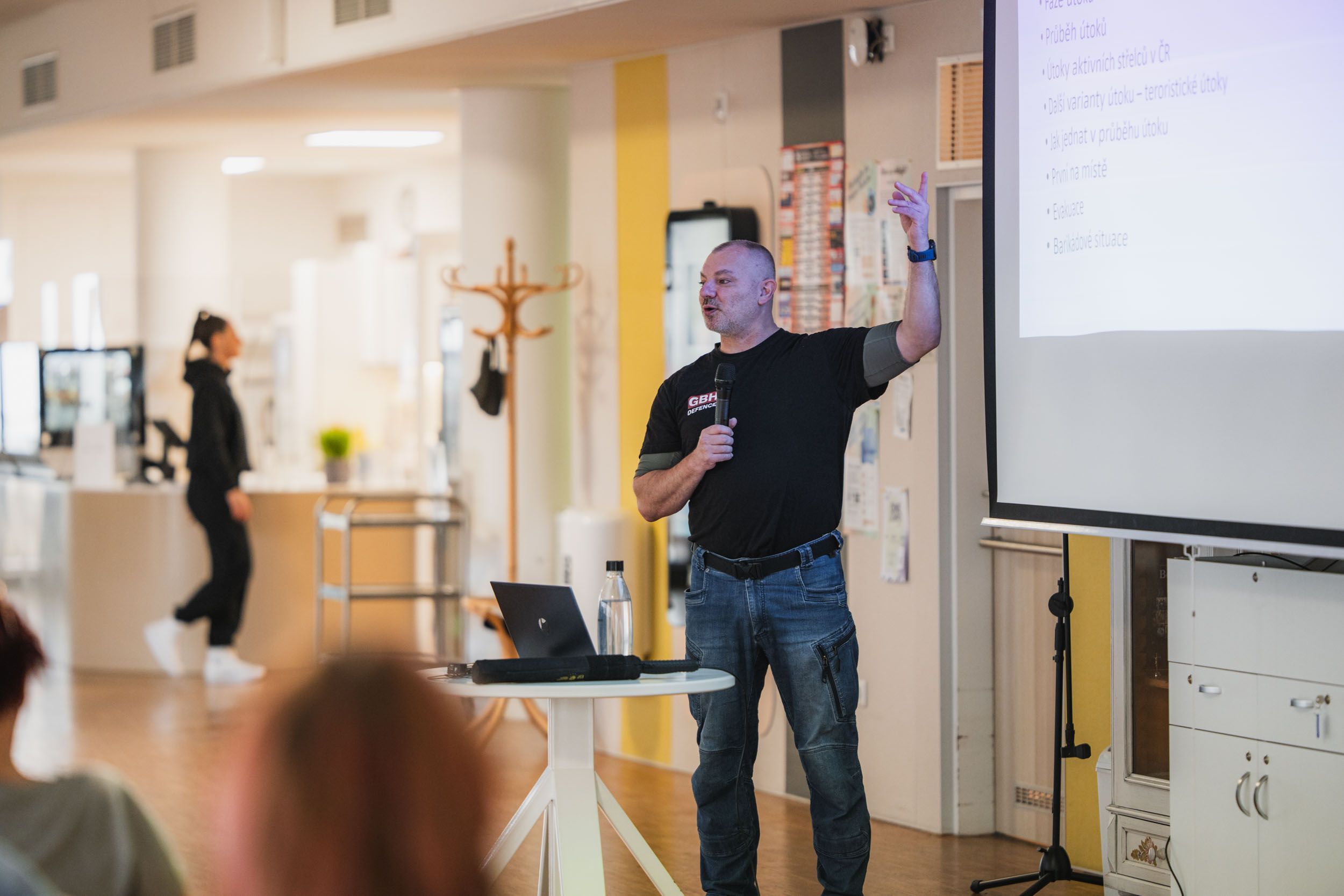
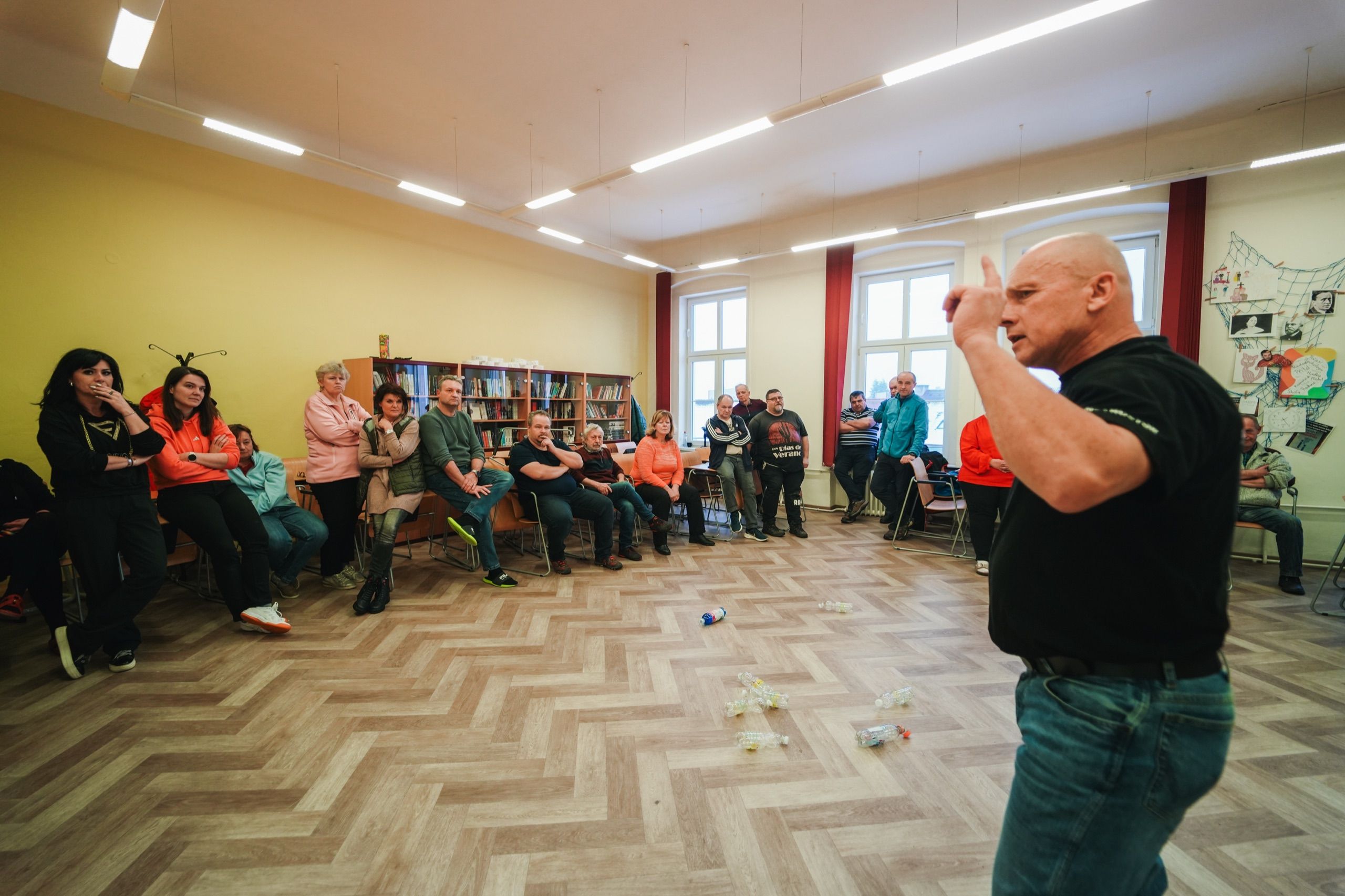
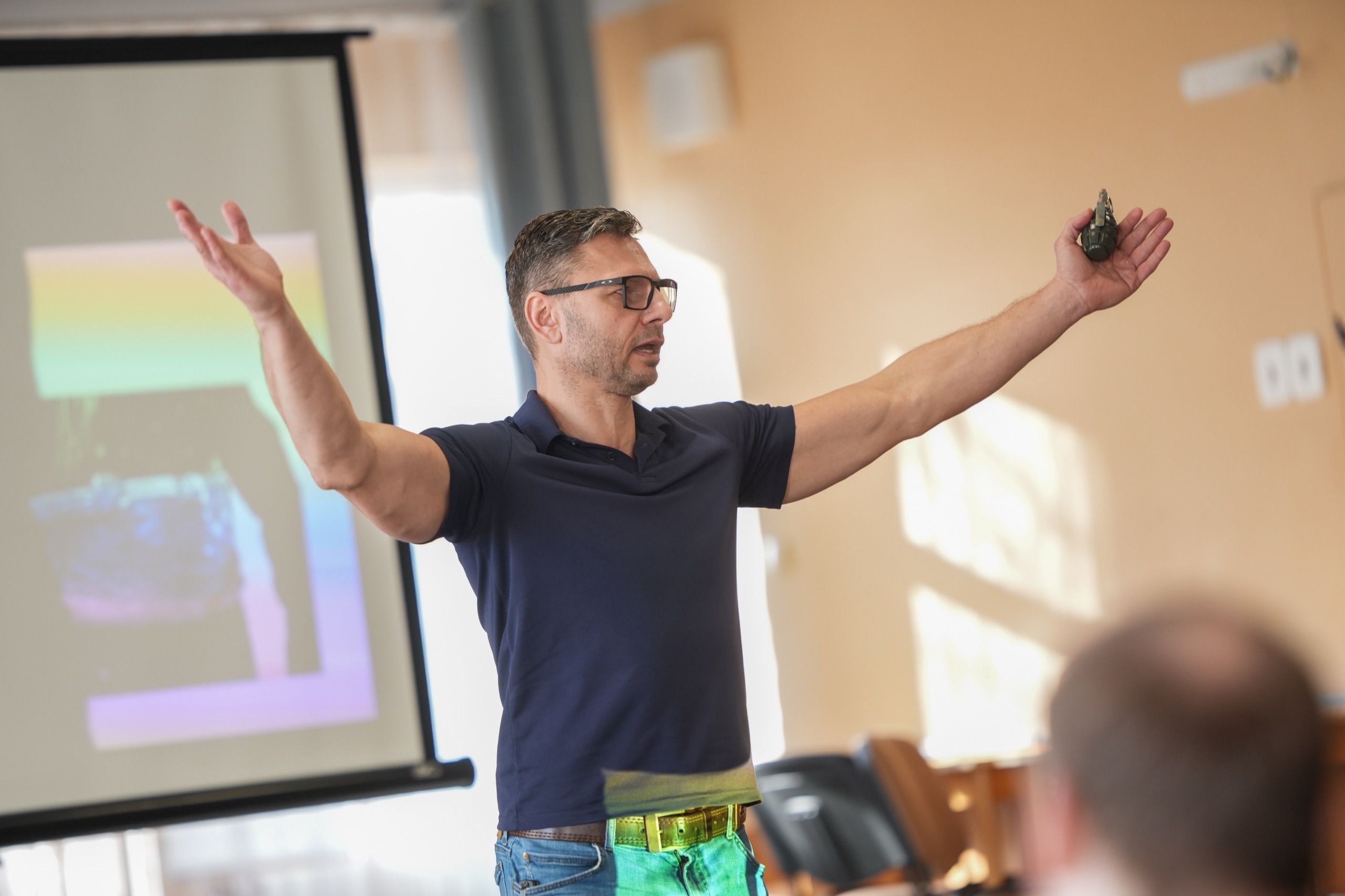
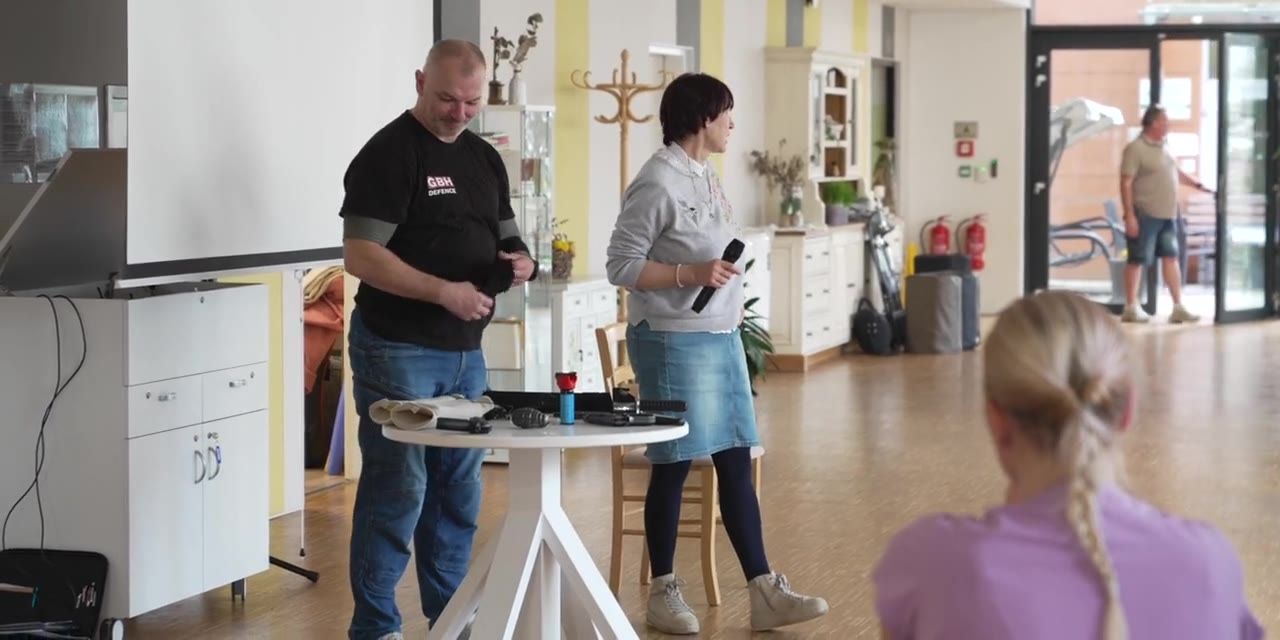
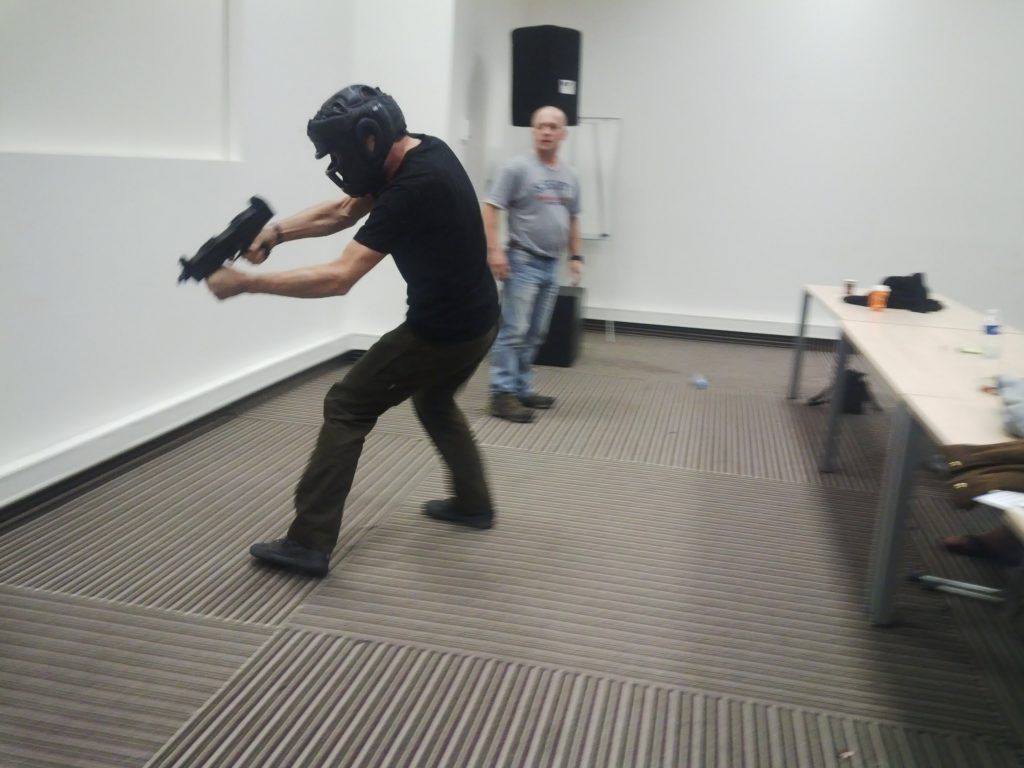
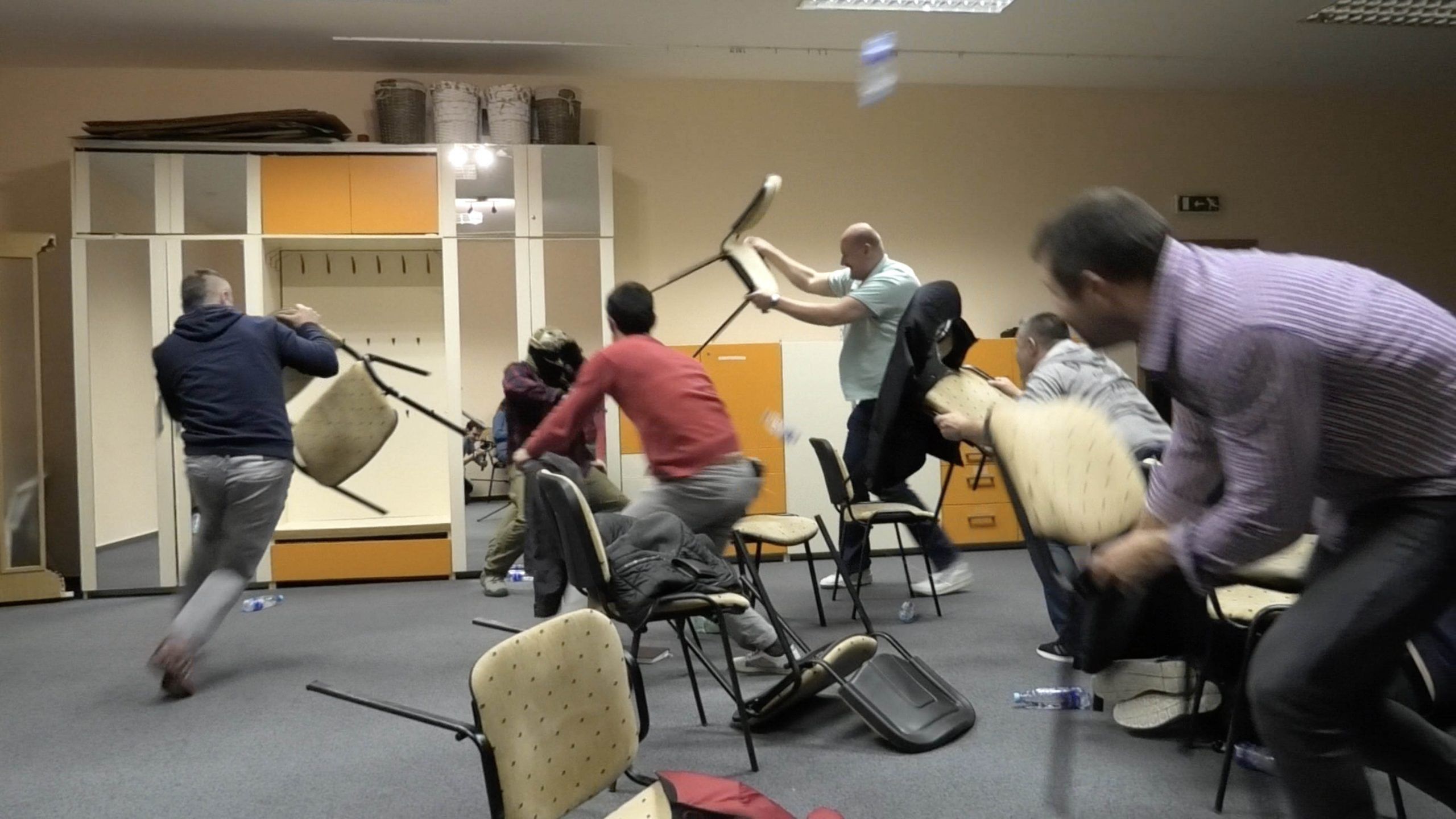
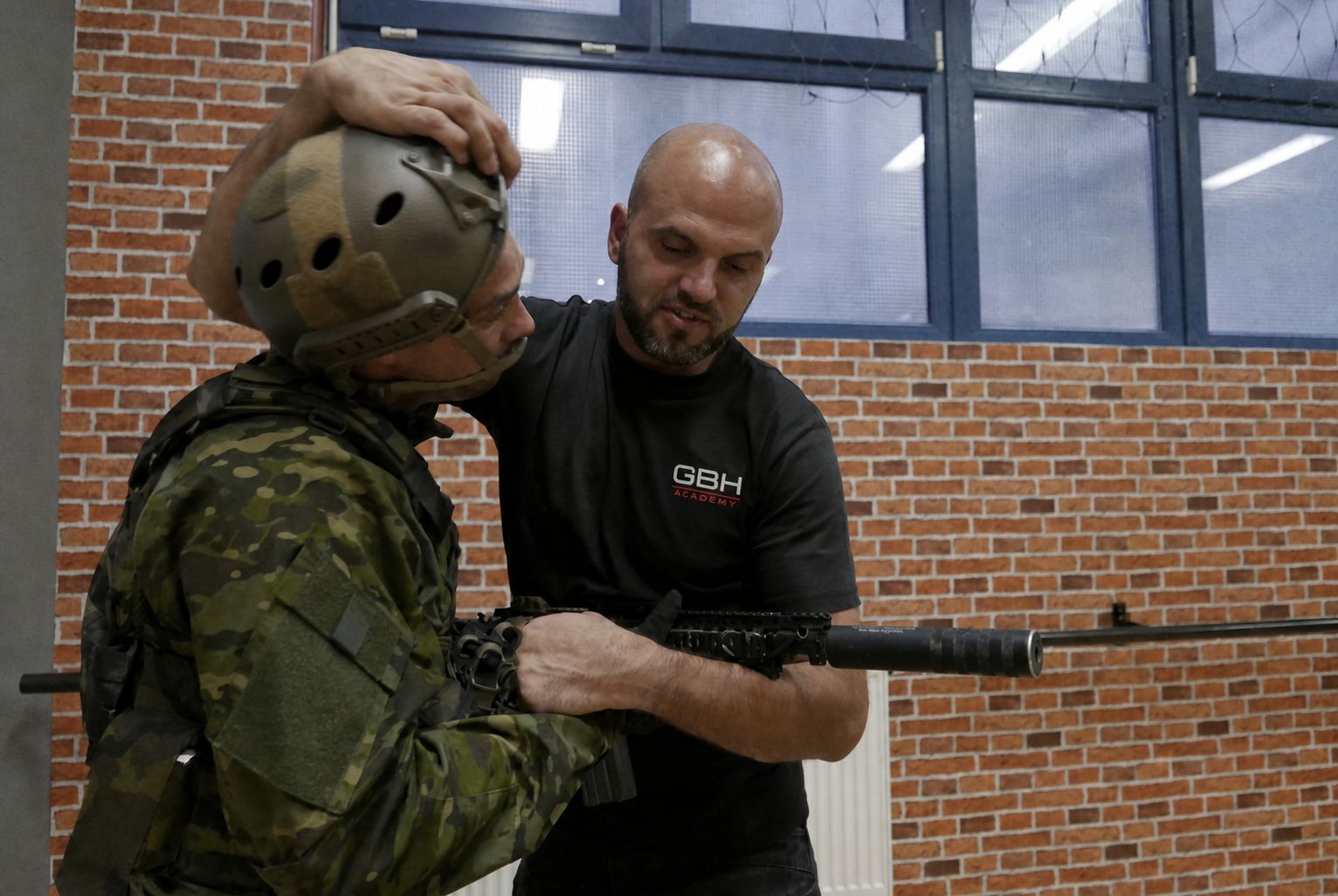
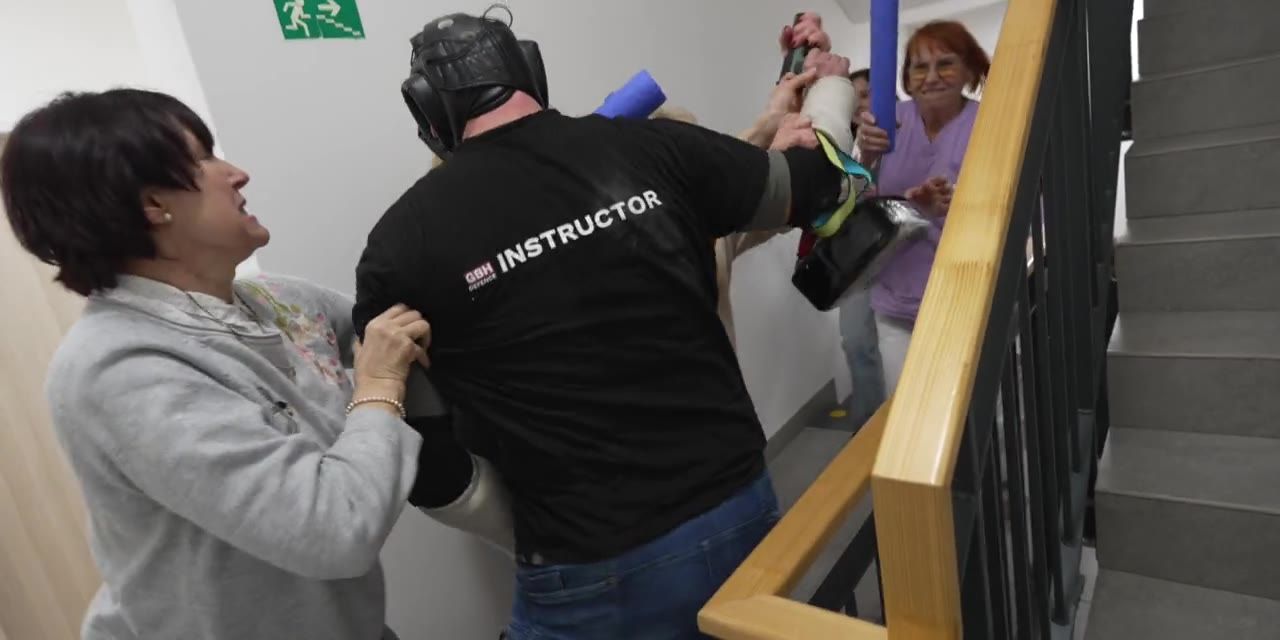
Securing the door, making decisions under pressure and debriefing — shot by shot from a real exercise.
What next
Non-binding 30-minute consultation. We will assess your initial status, recommend a course option and provide a price quote including enrollment in OP HOW.
Send a brief inquiry — type of institution, congregation size, tentative date. We will come back with a program proposal and costing.