















Public course
Course · First aid
Tactical first aid according to TCCC (Tactical Combat Casualty Care) principles. Massive bleeding, blocked airway, shock. Lecturers with experience from foreign missions.
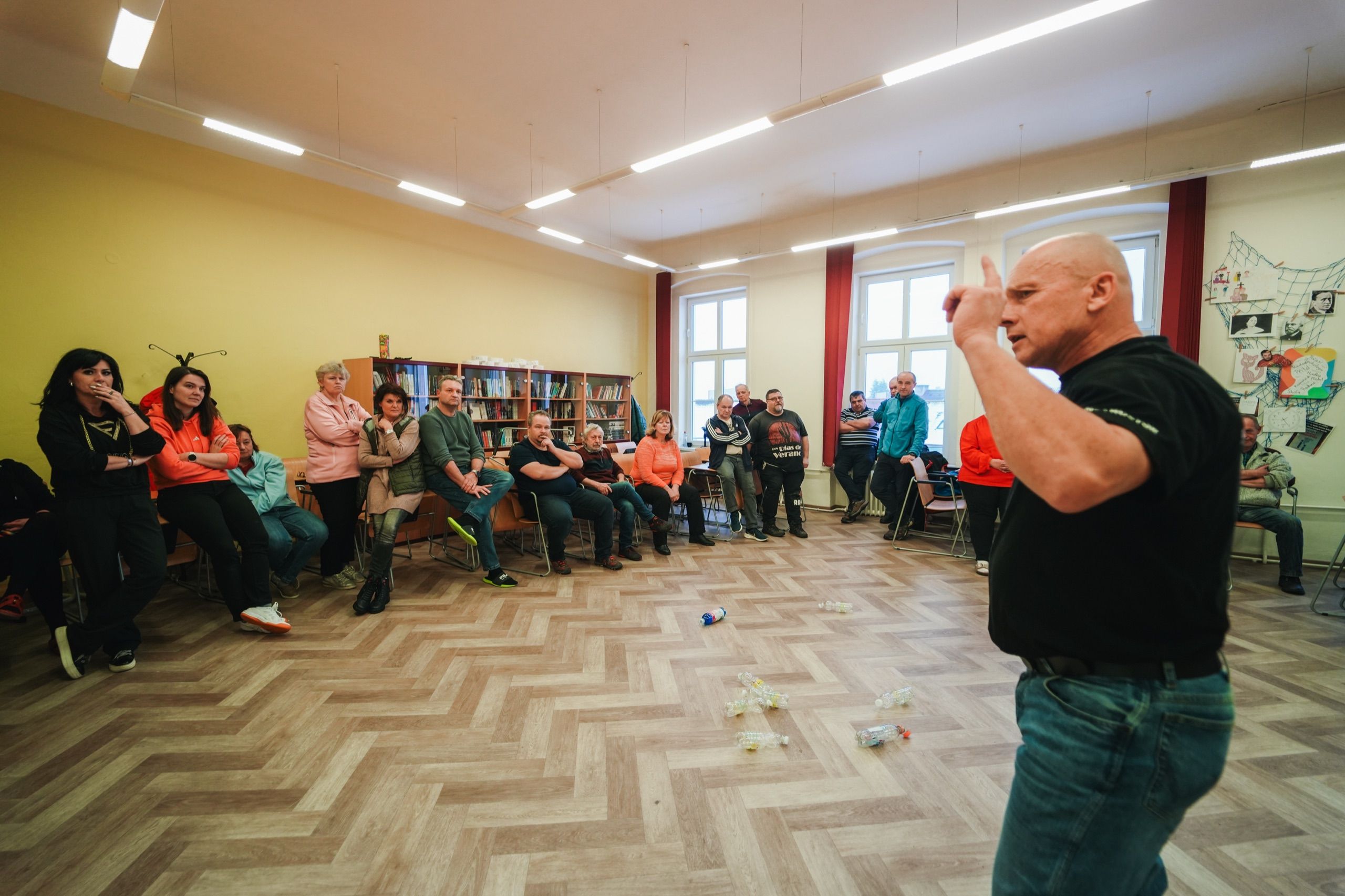
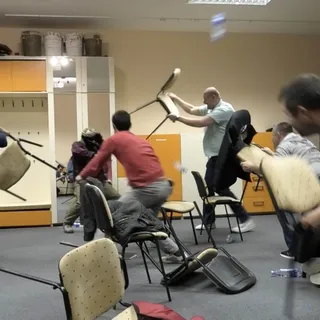
Real practice, not a stage show
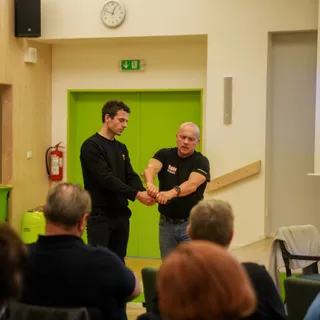
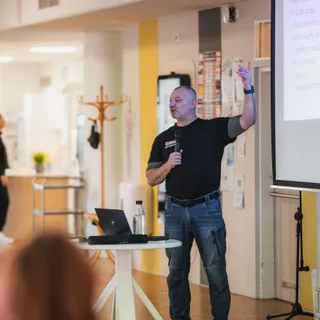
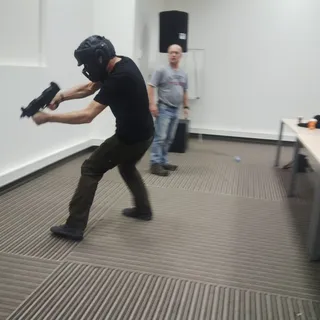
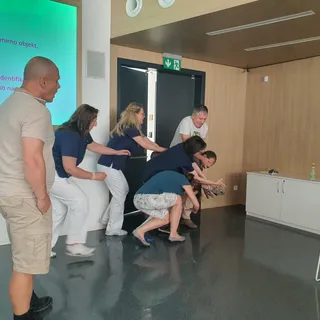
The course is sold by seeing the instructor's work and people's reactions.
GBH does not teach fear. It teaches a specific response under pressure.
Public course
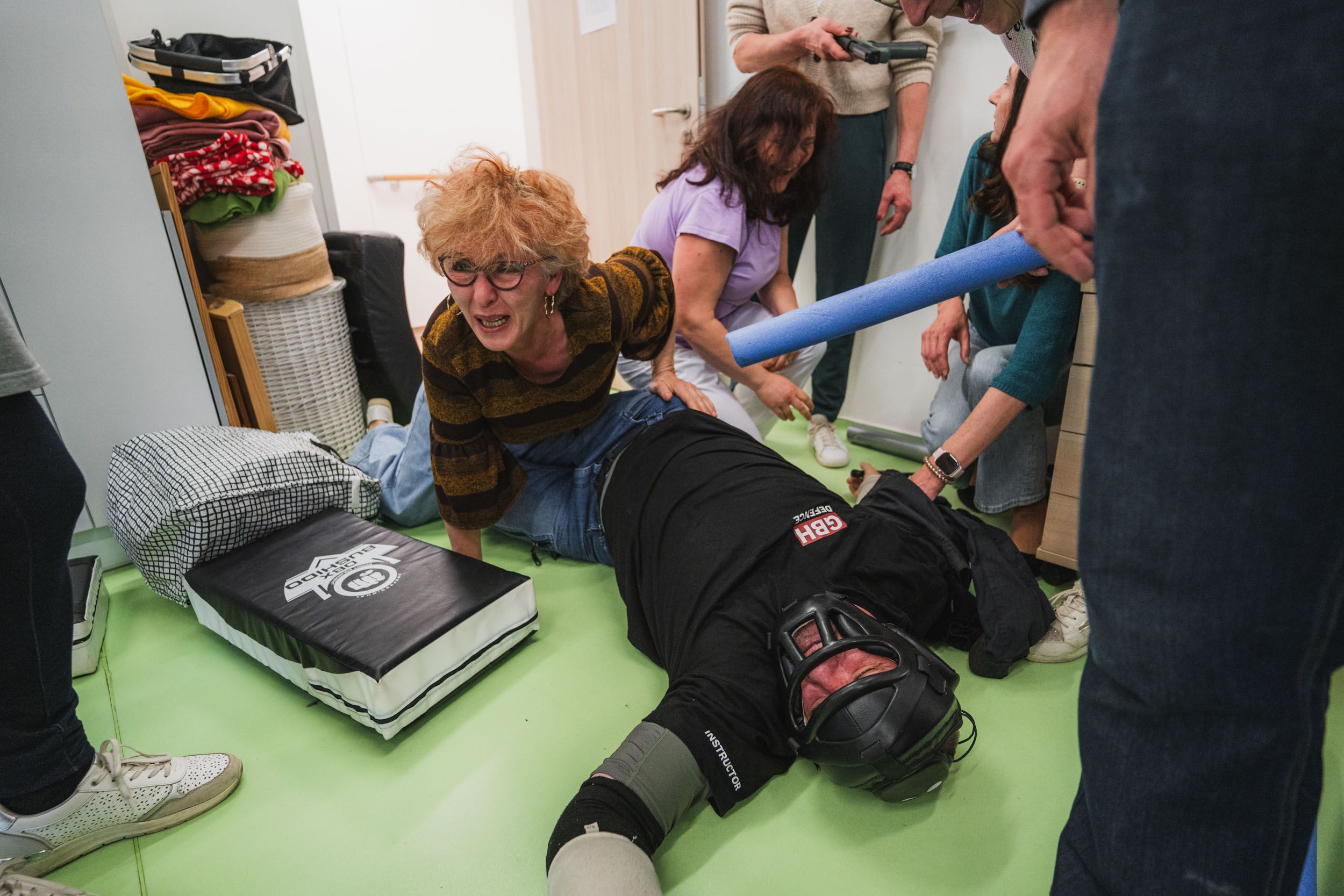
Corporate team

Institution
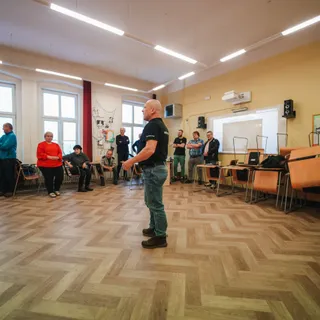
The instructor corrects the participant's specific response in real time.
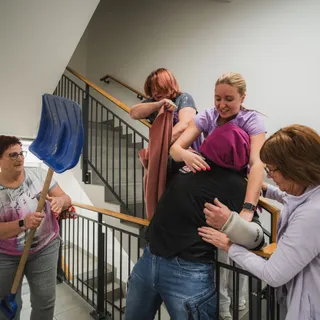
We build scenarios according to the environment: school, company, office, public space.
A person leaves the course with a simple procedure for the first minutes.
Choose a course by target: person, team or institution.
View courses1 day
8 hours of practice
Up to 20
People in the group
TCCC
Combat Casualty Care
MV ČR
Accreditation
Use of a tourniquet, pressure bandage, wound tamponade. Procedures from foreign missions transferred to a civilian context.
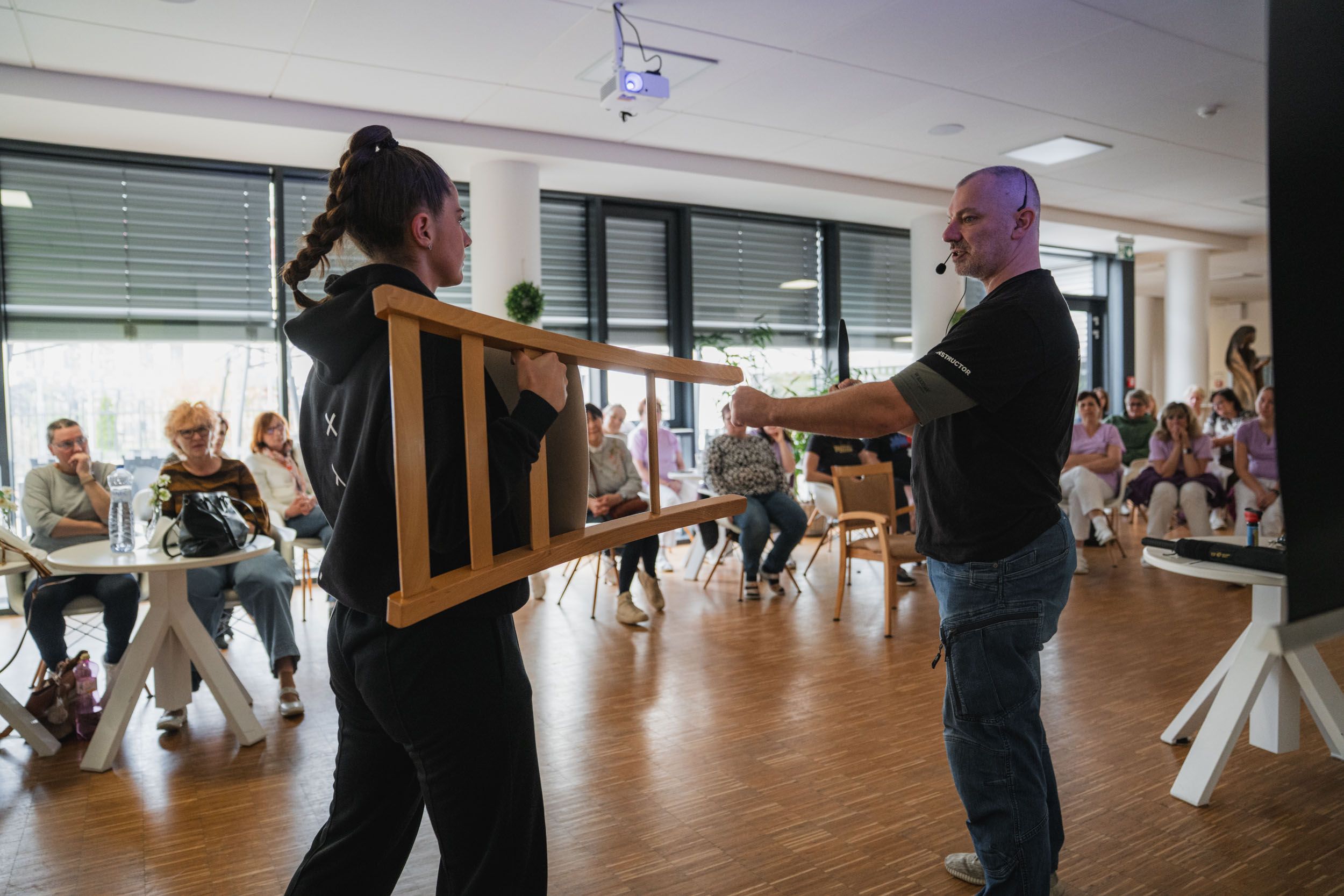
Stabilized position, airway cover maneuver, use of nasopharyngeal tube. Recognition of pneumothorax.

Recognizing signs of shock, ensuring thermal comfort, positioning. How to keep the injured person conscious until the emergency services arrive.
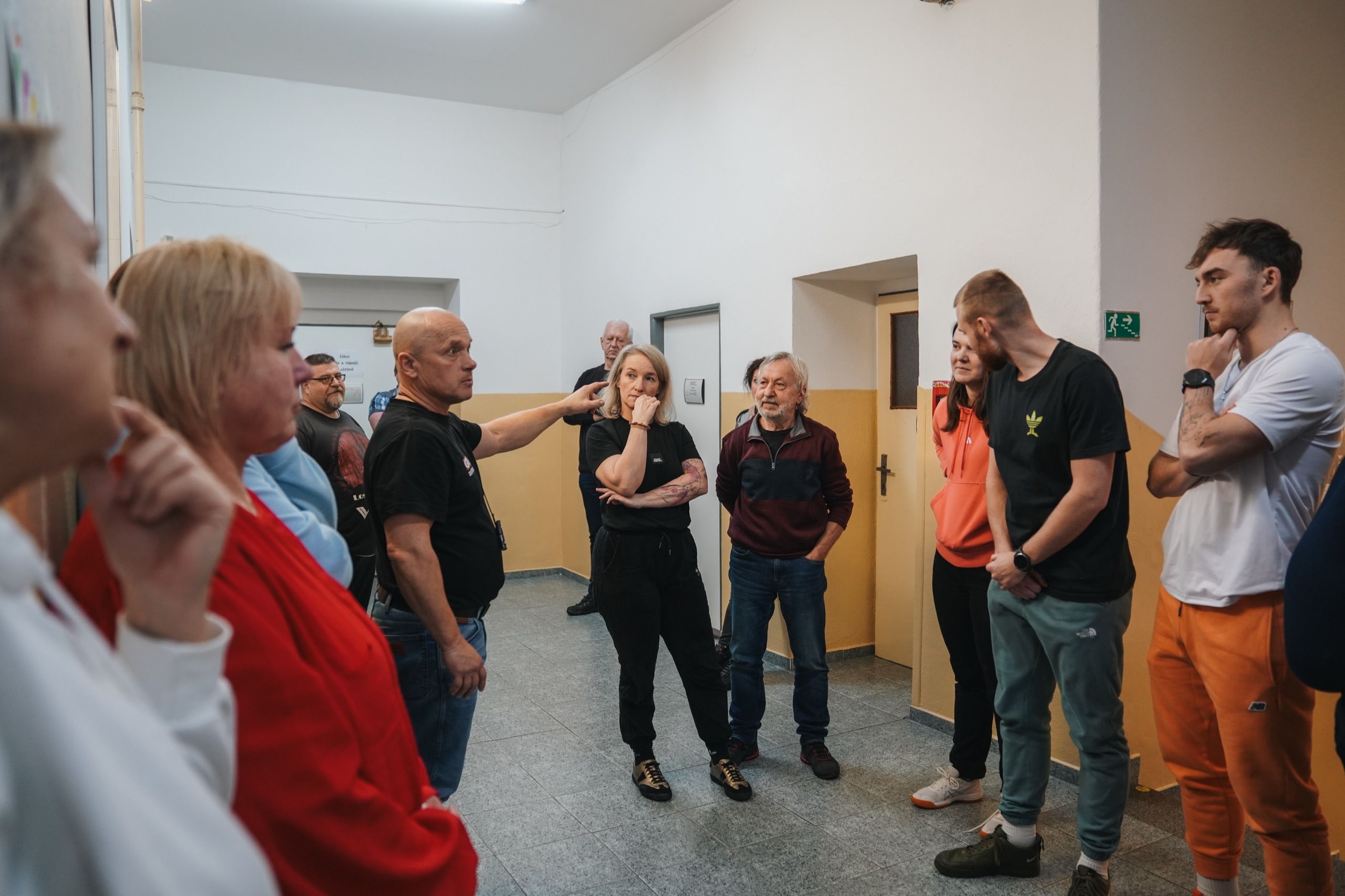
Who gets help first. START/jumpSTART principle, coordination with IZS, injury documentation for the hospital.
CPR, AED use, drowning procedure and tracheal valve. Emphasis on practical training on dummies.

What and how to say to an injured or witness in shock. Rules of crisis communication for rescuers — no heroic approach, but calm and structure.
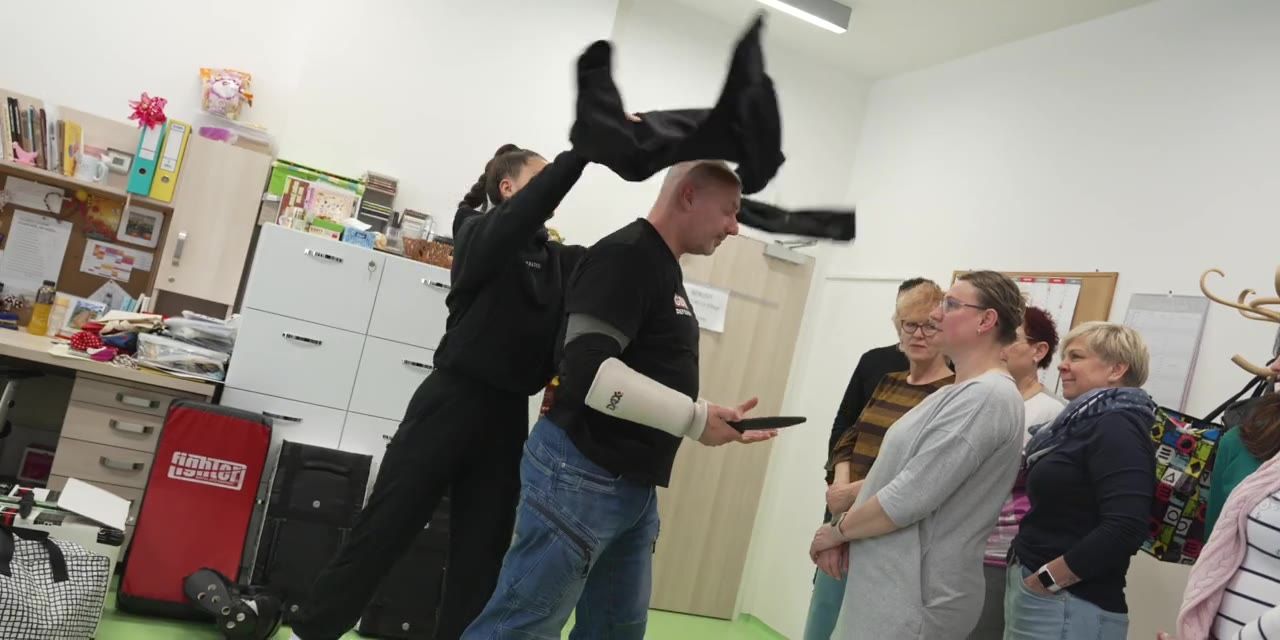
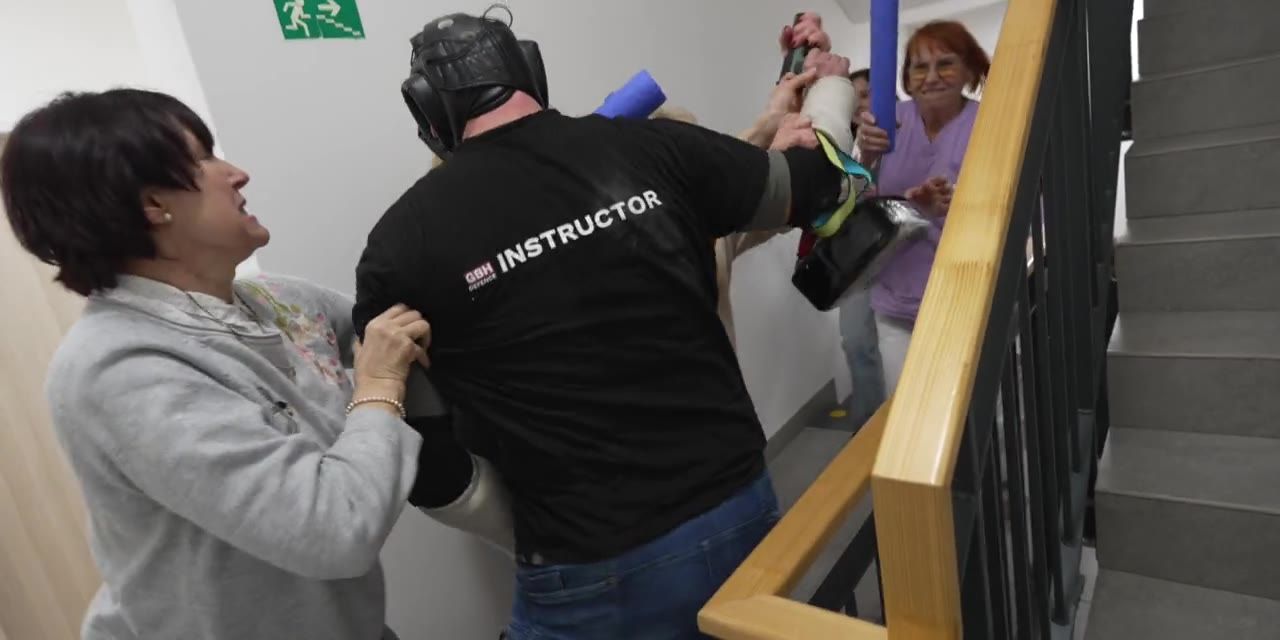
Massive bleeding, casualty transfer, resuscitation and a model situation — shot by shot from real training.
Macro shot: hands applying a tourniquet to the extra's arm, sharp details of the strap and pulley, training to stop the bleeding.
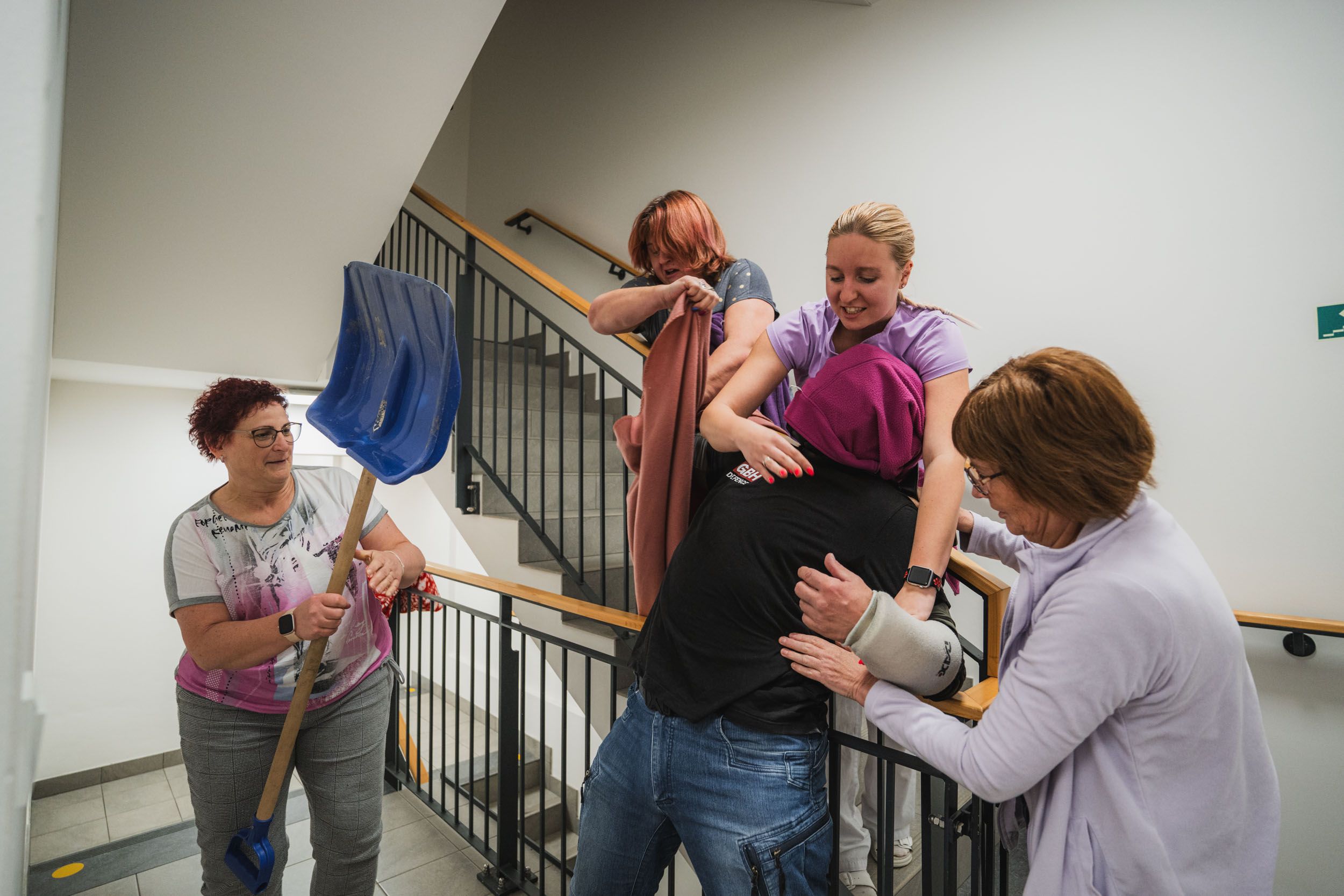
CPR training: the participant performs heart massage on a resuscitation dummy, the instructor corrects the frequency and depth of compressions.
1 day · 8 hours
Practical impact
Massive bleeding, airway, shock: less panic, more progress.
A first aid course makes sense wherever there is responsibility for people and where arrival emergency services it is never instantaneous. The goal is not a medical degree, but a calm progress in the first 5 minutes.
They know who calls for help, who stops the bleeding, and who keeps the classroom or hallway quiet.
The first people on the scene are given a simple injury, shock and information transfer procedure IZS.
The team will practice emergency first aid in an environment where clients, patients and emotions are close to each other.
Operations, warehouses, field work or events get a practical response for the first minutes after an accident.
Yes. The course does not require medical education. We work with logic: what any person needs to do in the first 5 minutes before EMS arrives. The instructor gradually builds skills from scratch.
Tactical Combat Casualty Care is the first aid standard developed by the US military for the care of combat casualties. In recent years, the principles of MARCH (Massive Hemorrhage, Airway, Respiration, Circulation, Hypothermia) have also been adopted by civilian rescuers. We teach civil simplification.
Yes. Upon successful completion, each participant receives a certificate of completion. For companies and schools, the course is recognized as regular OSH/crisis preparedness training.
On professional dummies (CPR, airway) and on each other (tourniquets, bandages, positioning). No dummy bleeding, no unpleasant theater — emphasis on realistic and safe training.
What next
Send a request — who is to be trained, tentative date and place. We will return with the program, price and payment options from FKSP / Benefit Plus.
Send us a brief inquiry. We will come back with the date, price and logistics.