












01
The school's procedure in the event of an incident
Who does what in the first lessons: class teacher, management, prevention methods. Clear steps instead of improvisation.
Training · Cyberbullying
Cyberbullying doesn't just happen at recess. It continues even after school and the school is often the last to hear about it. We will teach teachers, pupils and parents incident recognize, stop and properly document.

Non-stop
cyberbullying continues after school
3 sides
pupils, teachers and parents
Evidence
screenshots also usable by the police
Procedure
clear roles instead of improvisation
Practical impact
What happens online, the school has to deal with in the classroom and with parents.
Incident will often show up late, but the school's first reaction will decide whether the situation calms down or escalates. That is why we combine work with evidence, division of roles and communication with parents.
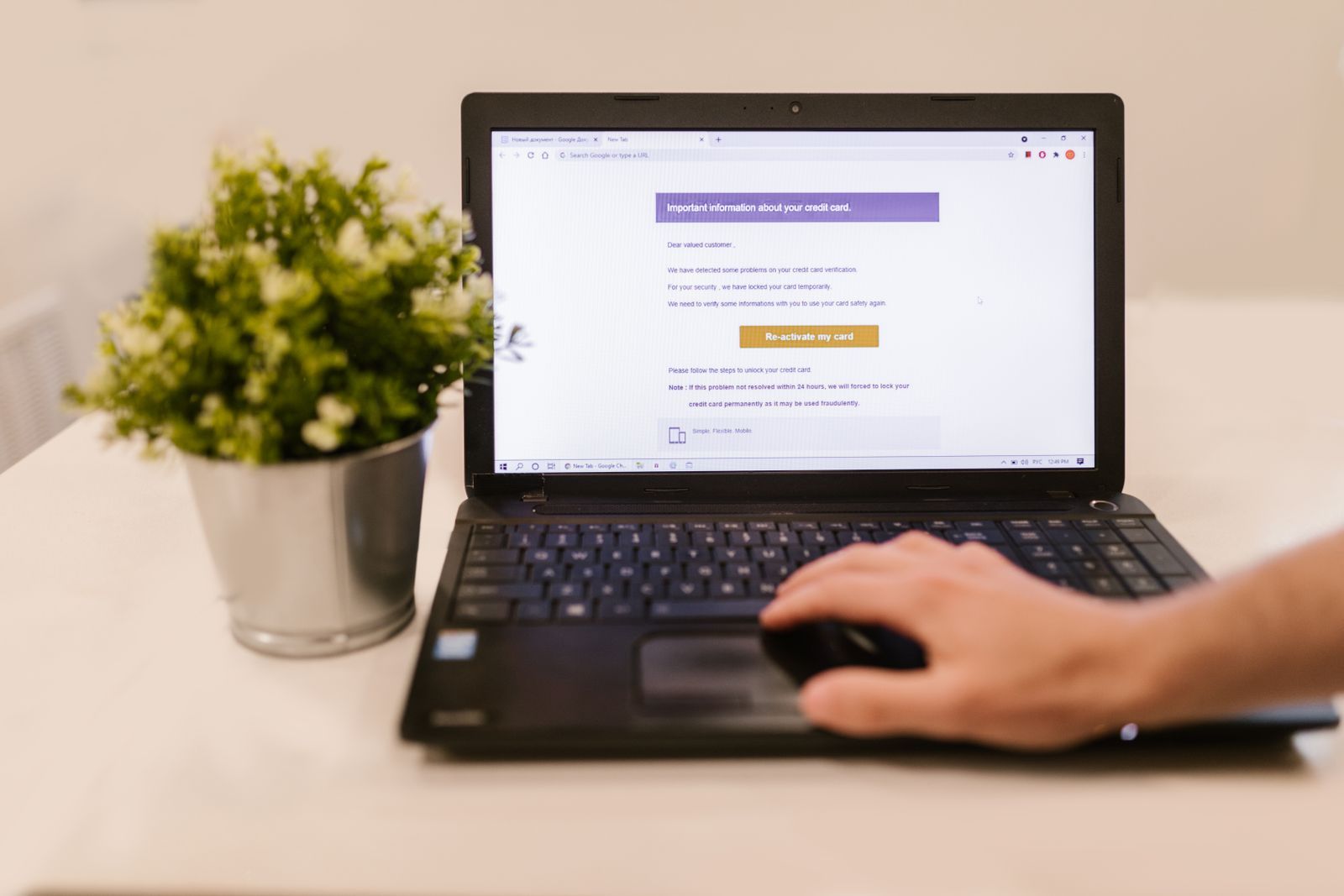
The school will learn to secure screenshots, reports and a timeline so that the incident can be resolved with parents and the police.
The classroom teacher, management, prevention methodologist and parents are given clear steps: who speaks, who documents and who protects the child.
Pupils, teachers and parents hear the same procedure, but each in their own role. Thanks to this, the school does not solve the incident alone.
01
Who does what in the first lessons: class teacher, management, prevention methods. Clear steps instead of improvisation.
02
How to ensure screenshots and messages can be used as evidence. What to tell children and parents and when to involve the police.

03
Where the class teacher's responsibility ends and the principal's responsibility begins. How to divide roles before an incident occurs.

04
Model interviews with the victim, the aggressor and the parents of both parties. How to calm the situation and not escalate it.

05
Finished materials that the school will hand over to parents and the organizer after the incident: what happened, what the school did and what will happen next.
06
How to work with the topic in the classroom in the long term, so that the training is not a one-time event without an impact.
01
We'll show how an incident starts in chat, when it's no longer a joke, and who to tell before the problem hides.
02
The classroom teacher needs the first procedure: how to talk to the victim, how to stop the spread and how not to destroy the evidence.
03
Management will receive a decision-making framework: roles, escalation, communication with parents, the founder and the police.
04
Parents need to know what to watch for at home, how to secure evidence and when to contact the school without further escalation.
05
The counseling team will coordinate victim support, work with the aggressor and follow-up prevention for the classroom.
06
The founder sees what the school needs systemically: procedures, documentation, repetition and support of principals.
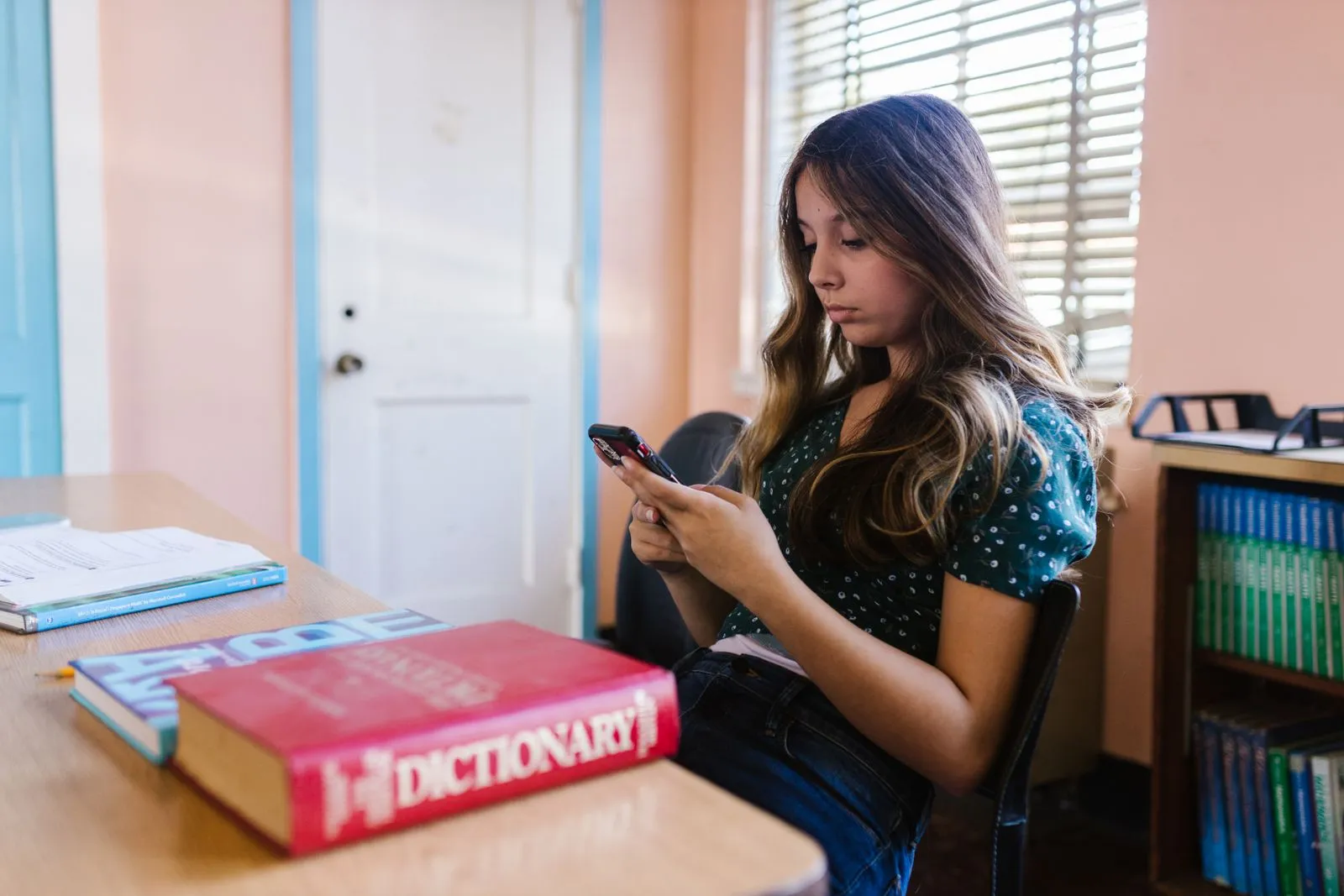
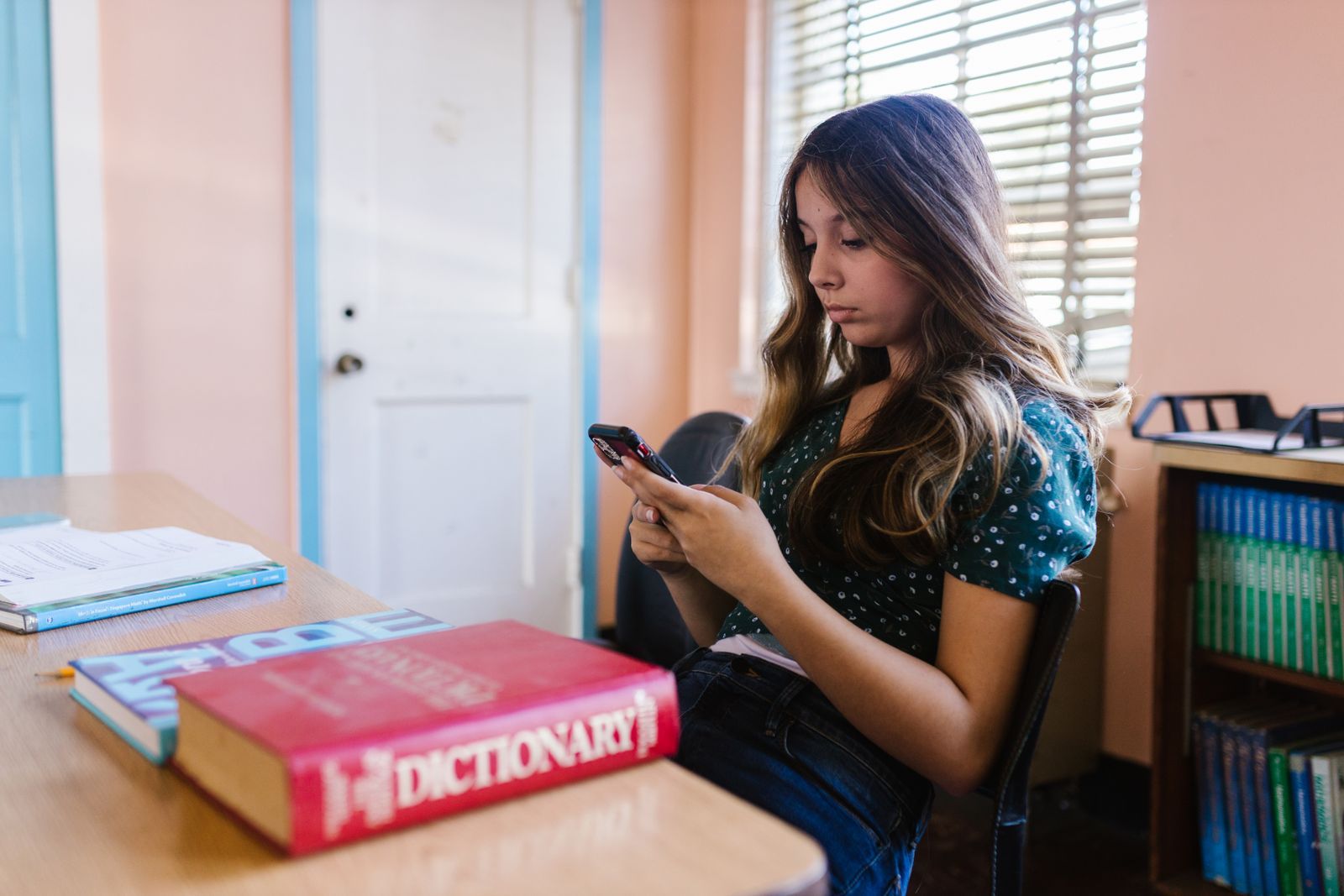
The first signals, the student's phone and the program for the whole school.


What next
In the request, state the number of classes, which of the teachers will participate and the date. We will send a program proposal adapted for your school and costing.
Send us a brief inquiry. We will adjust the program for pupils, teachers and parents of your school.