























What distinguishes a crisis leader
Psychological and behavioral profile. Qualities that are not visible in normal operation, but decisive in a crisis — calmness, decisiveness, the ability to accept incomplete information.
Course · Leadership in crisis
For CEOs, HR and HR professionals. What distinguishes a crisis leader from an ordinary manager. Model situations, OODA loop, After-Action Review.
1 day
8 hour program
6–15
Leadership / management
Model girl
With extras + debrief
HR-applicable
To select leaders
Practical impact
A crisis leader can make a decision before he has all the information.
The course helps management and HR recognize who should lead crisis staff, who should hold the communication and how to shorten the path from confusion to decision.
You separate the ordinary manager from the person who maintains focus, priorities and responsibility in a crisis.
The OODA loop and the 70% rule help the team act before incomplete information becomes paralysis.
Everyone knows who makes decisions, who collects information, who communicates and who monitors the next step.
After-Action Review turns errors into process adjustments, not team-finding.
Psychological and behavioral profile. Qualities that are not visible in normal operation, but decisive in a crisis — calmness, decisiveness, the ability to accept incomplete information.
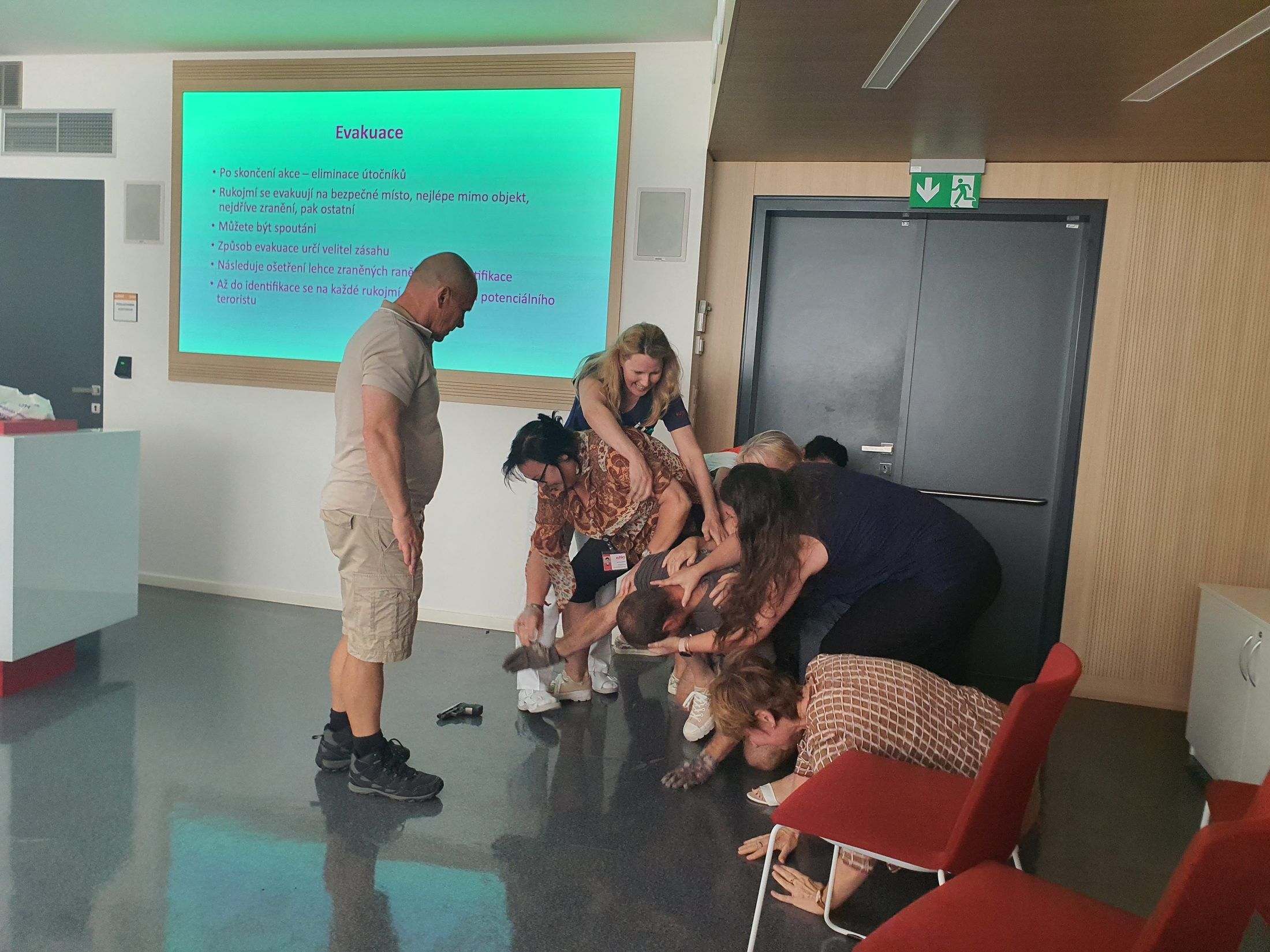
OODA loop (Observe-Orient-Decide-Act), 70% decision principle. When to wait and when to act. Practical training with decision scenarios.
Clear assignment, checkpoints, escalation authority. How to structure a crisis team, who does what, who has a voice with the leader.

With staff, media, IZS, families. How to structure a message so that people understand it the first time. Rules of crisis press communication.
Army Model After-Action Review. How to evaluate what worked and what didn't without blaming. Conversion to process update.
Tools for HR and CEO: behavioral interview, situational judgment tests, simulation assessment. What worked for the units where Adam Schinzel and I work.
1 day · 8 hours

Making decisions under pressure when it comes to people and the company — and taking responsibility for the first minutes of a crisis.

How to know when choosing key roles who can handle a crisis situation — and who not to put in it.
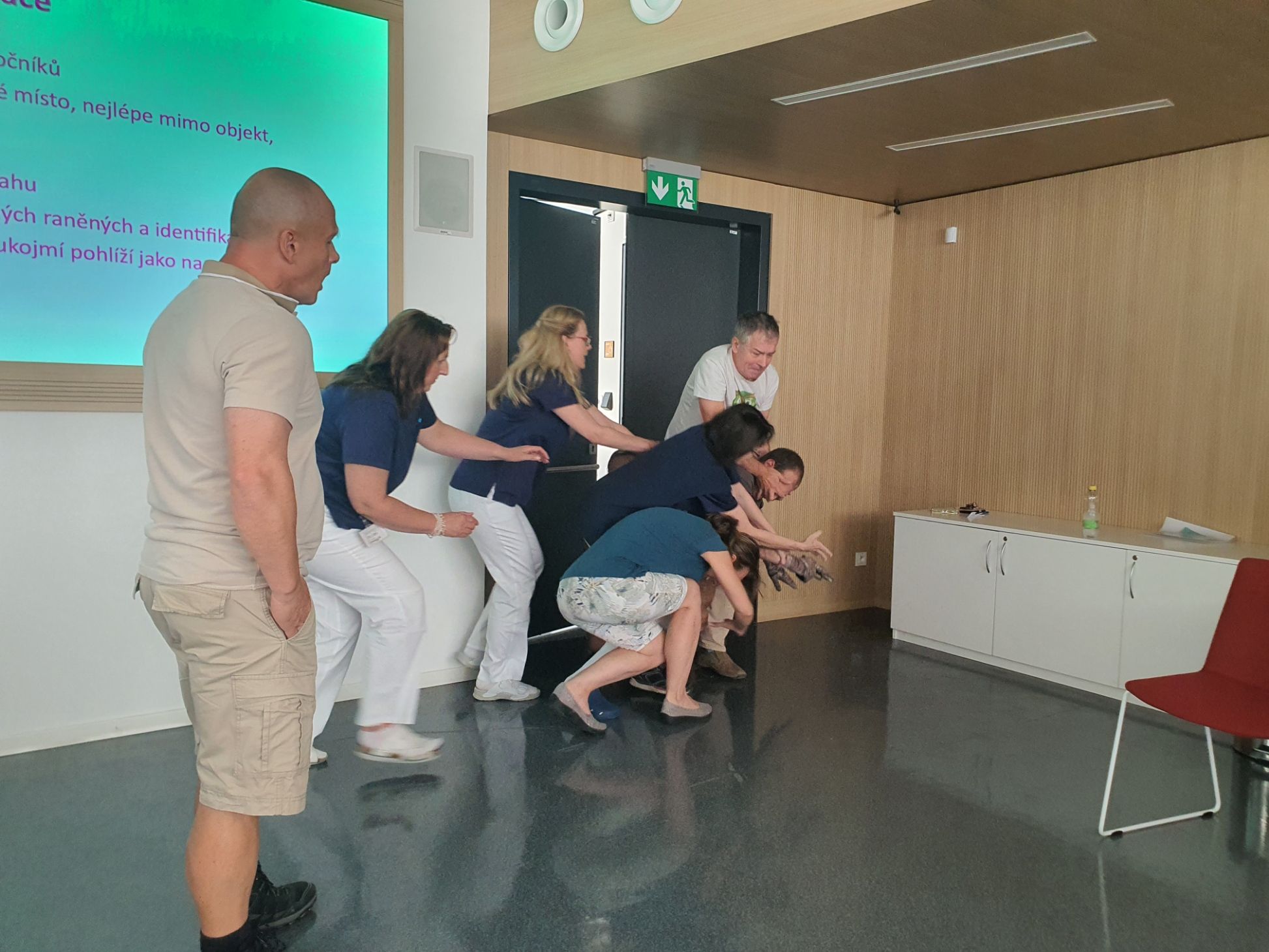
Coordination of people and information during an incident — OODA loop, crisis brief and After-Action Review.

Directors in education, health and social services who make the first decisions before IZS arrives.

Command and communication under pressure, handover of the situation to IZS components and team leadership in the event of a communication breakdown.
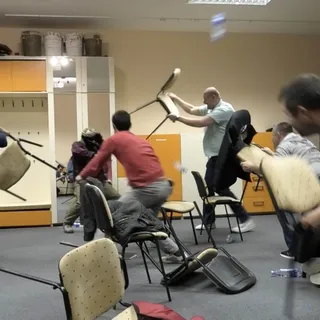
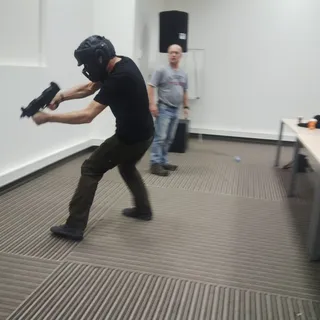
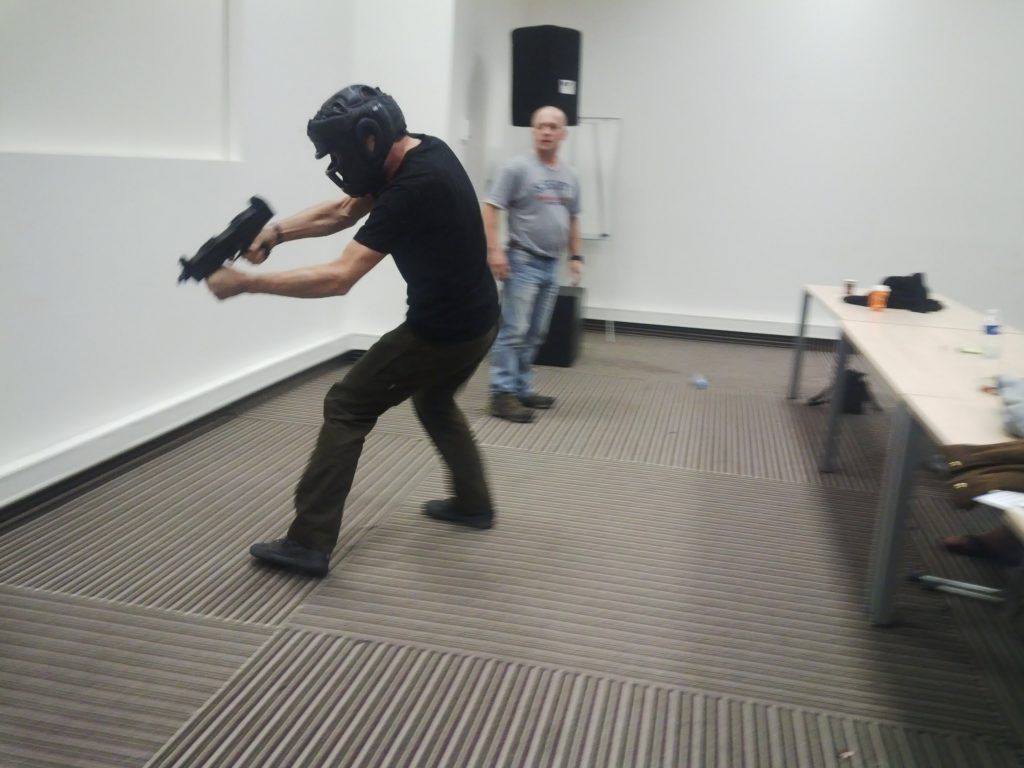
Briefing, model with extras and After-Action Review — a close-up day.

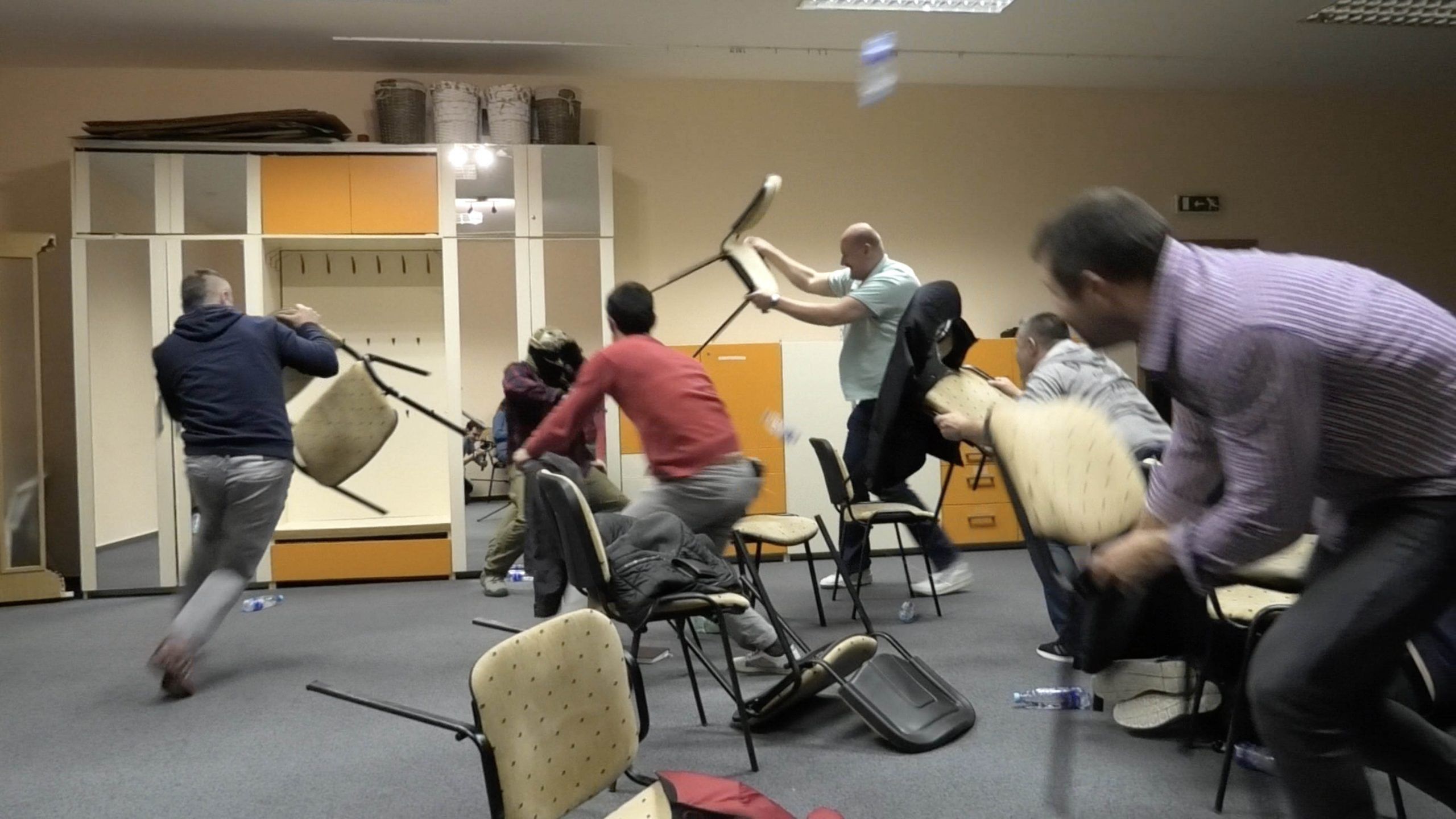
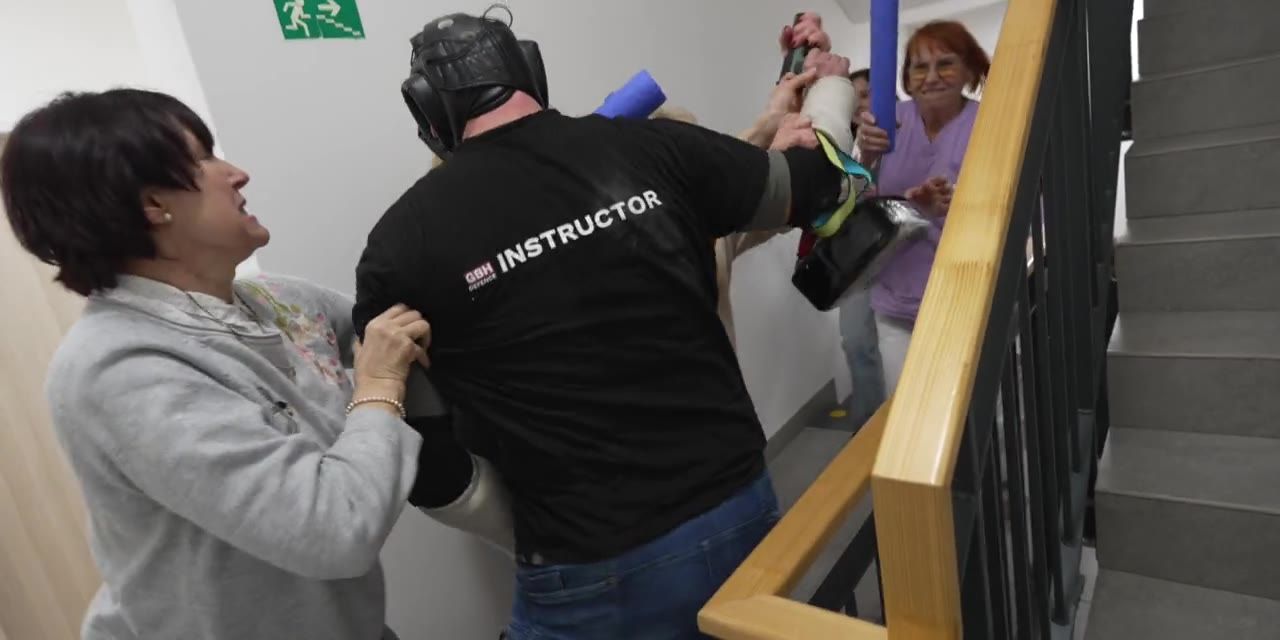
For people who decide in the organization who will be the leader of the team or the crisis team. Most often CEOs, HR directors, security managers and heads of key departments.
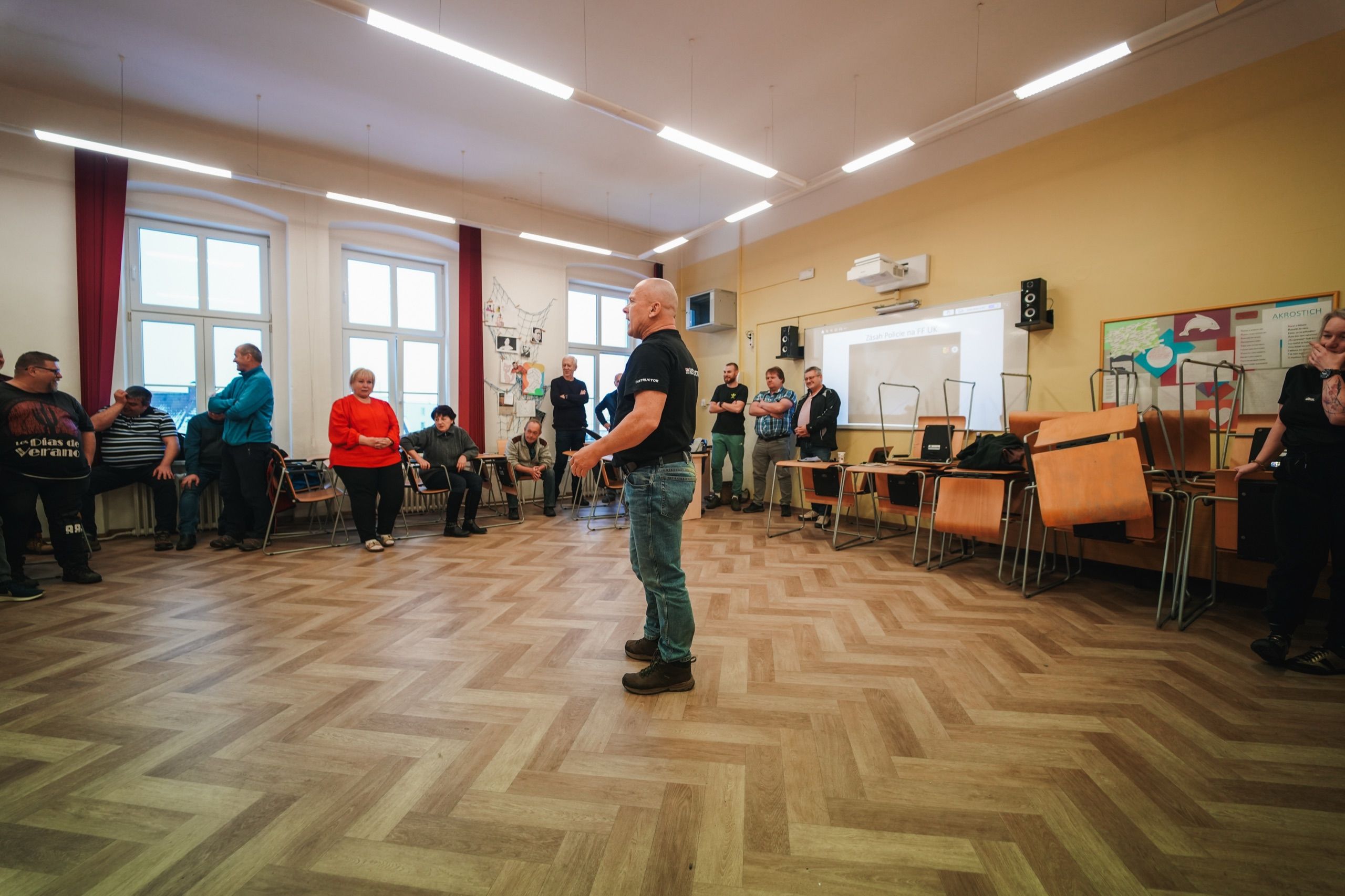
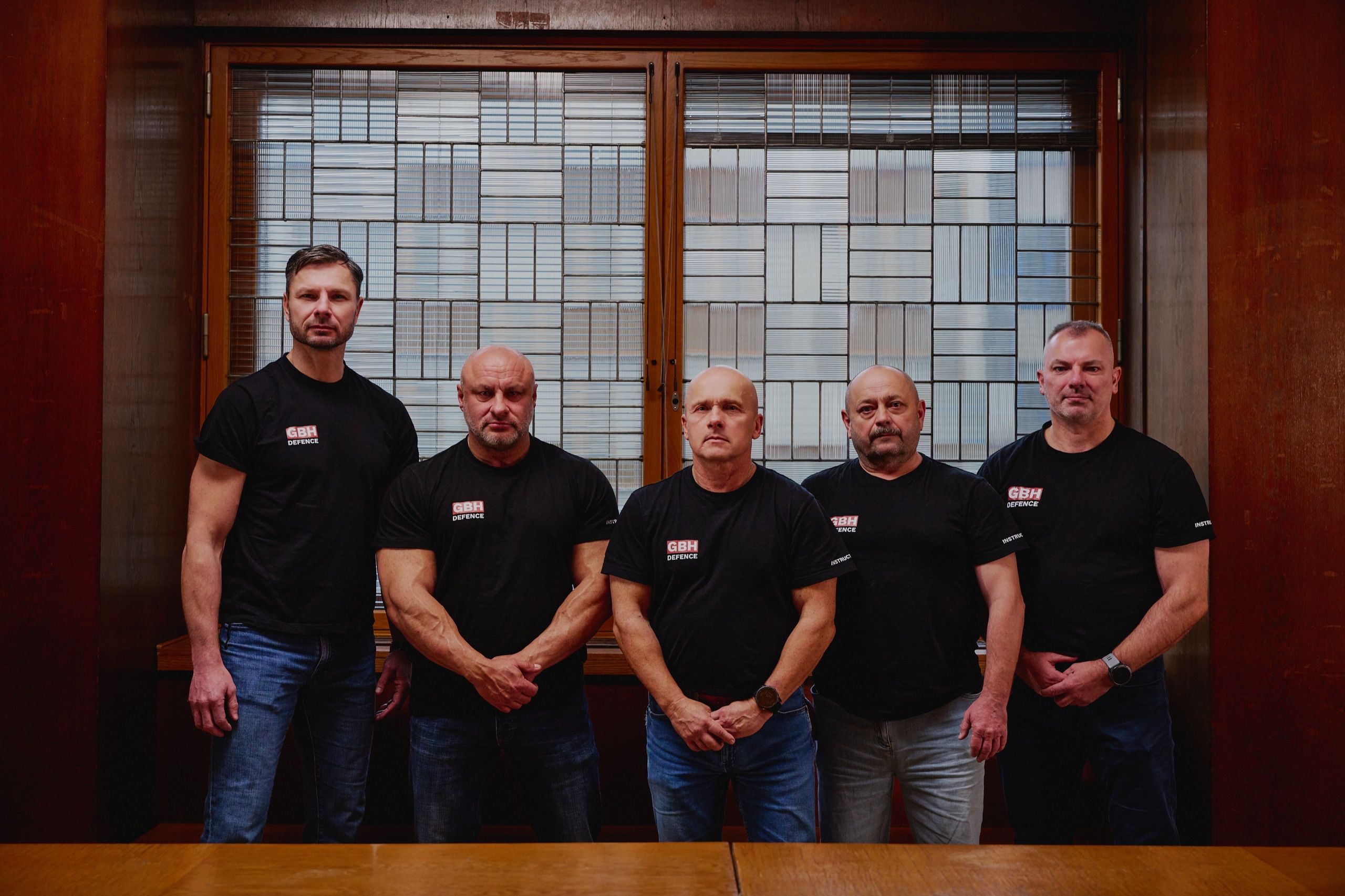
Normal leadership training teaches communication in normal operation. We teach what makes decisions when normal operation has failed — under pressure, with incomplete information, with emotional stress. The instructors have real experience of combat missions and intervention operations.
A specific framework (OODA, MARCH for people, After-Action Review), tools for selecting leaders in your own HR process, a set of real scenarios for your own team-building and a crisis communication checklist.
Yes, most courses follow this format. After analyzing your organizational context and typical risks, we will prepare a tailor-made course for you — either on your premises or on our training ground.
Send us a brief inquiry. We tailor programs, usually a closed group of leaders of a company or institution.