













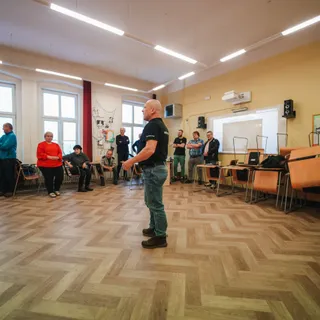
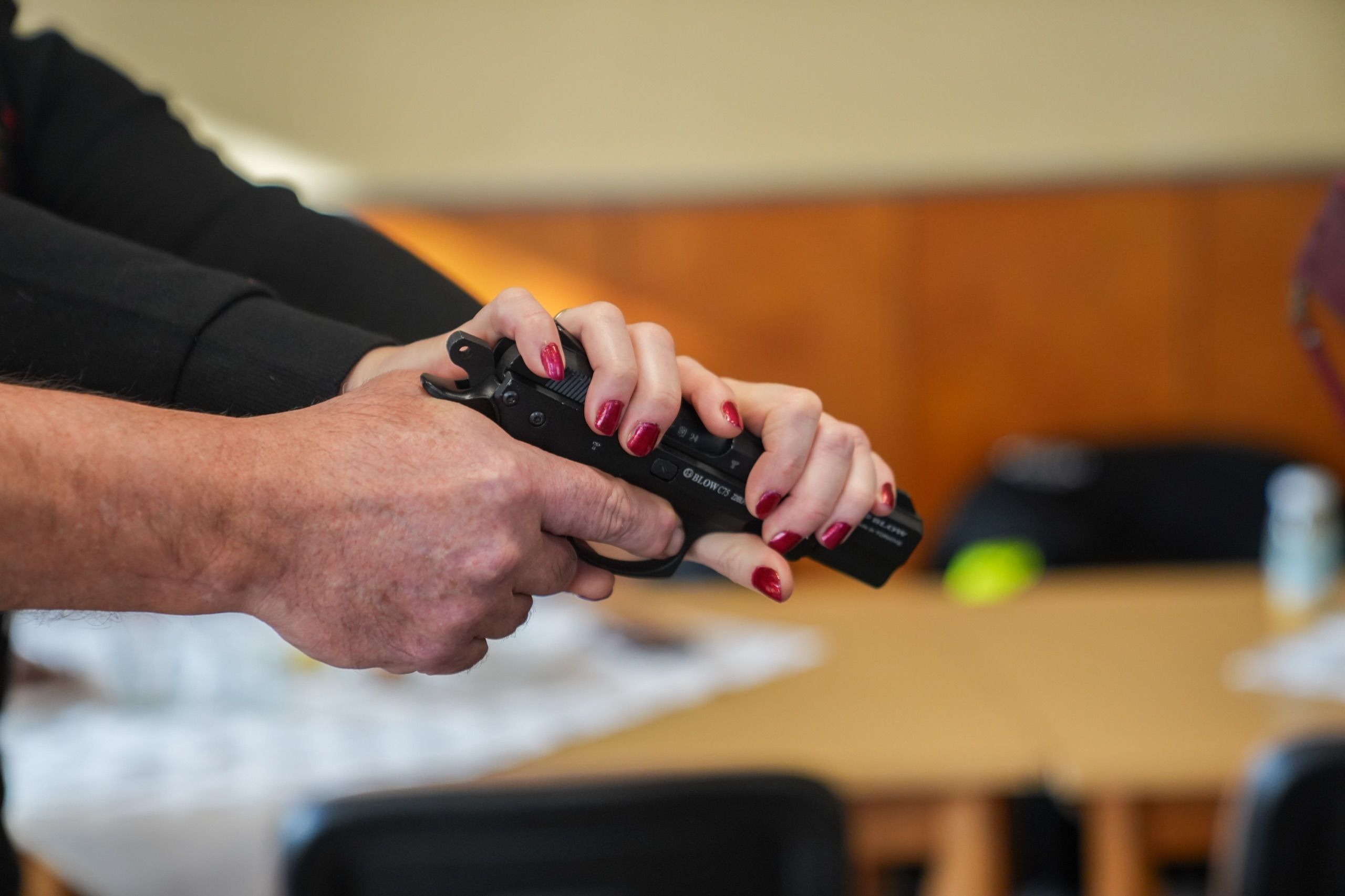
Public course
Course · Crisis negotiation
Crisis negotiation with an armed attacker, de-escalation of threats, communication under pressure. Lecturers with police experience URN. Pro security, recepci, vedení institucí.
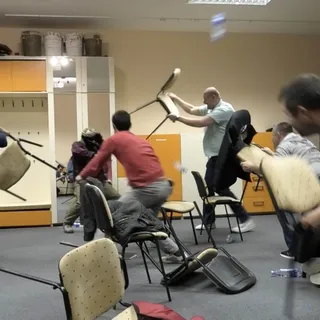
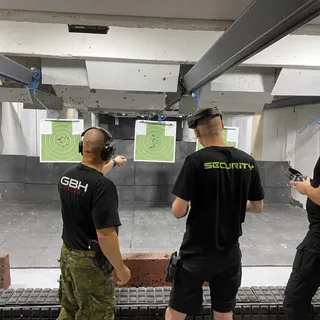
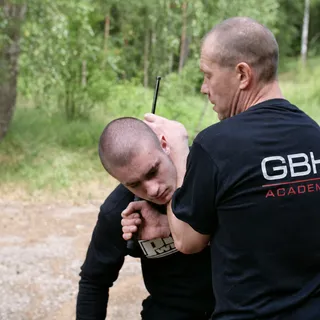
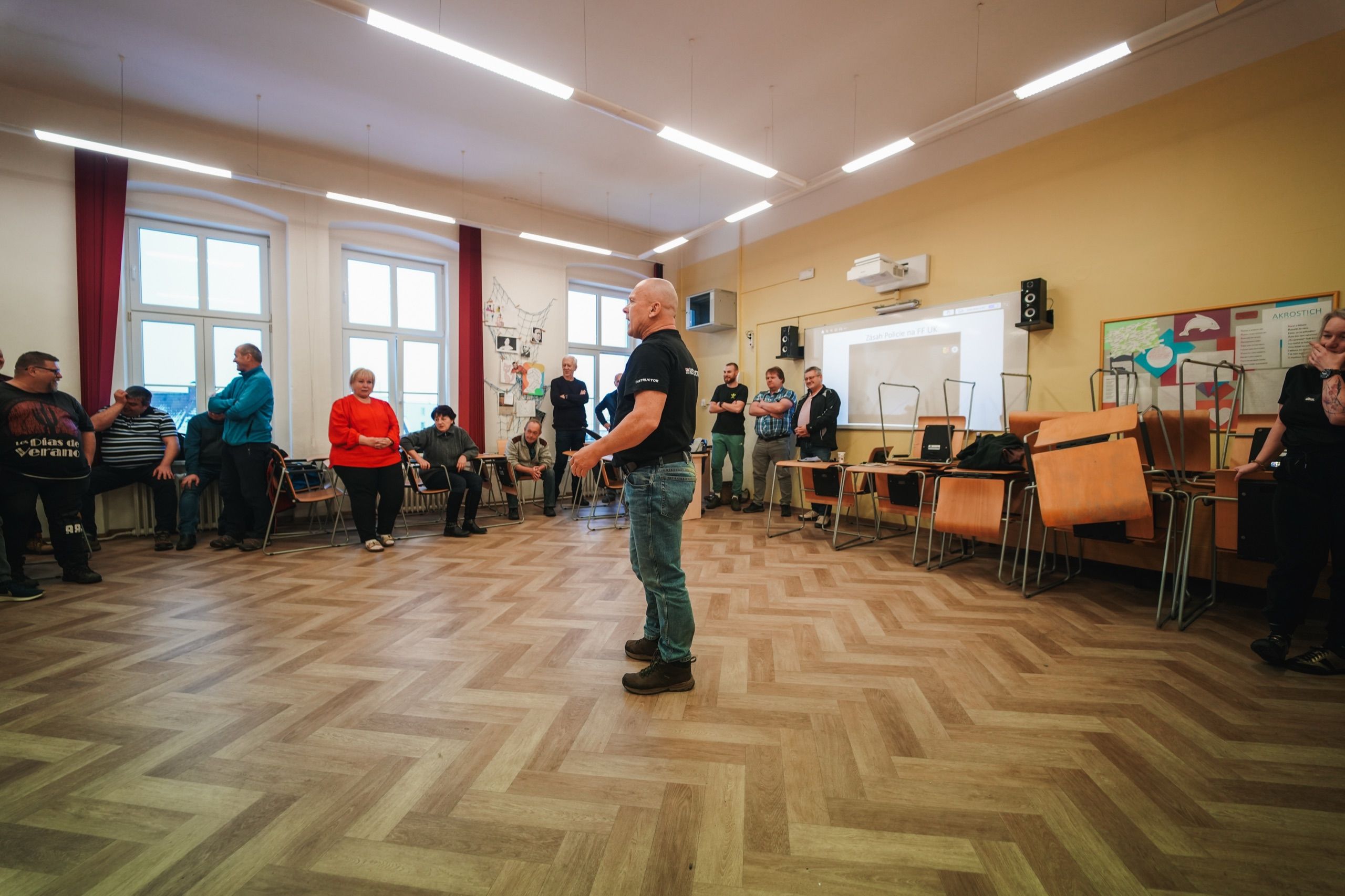
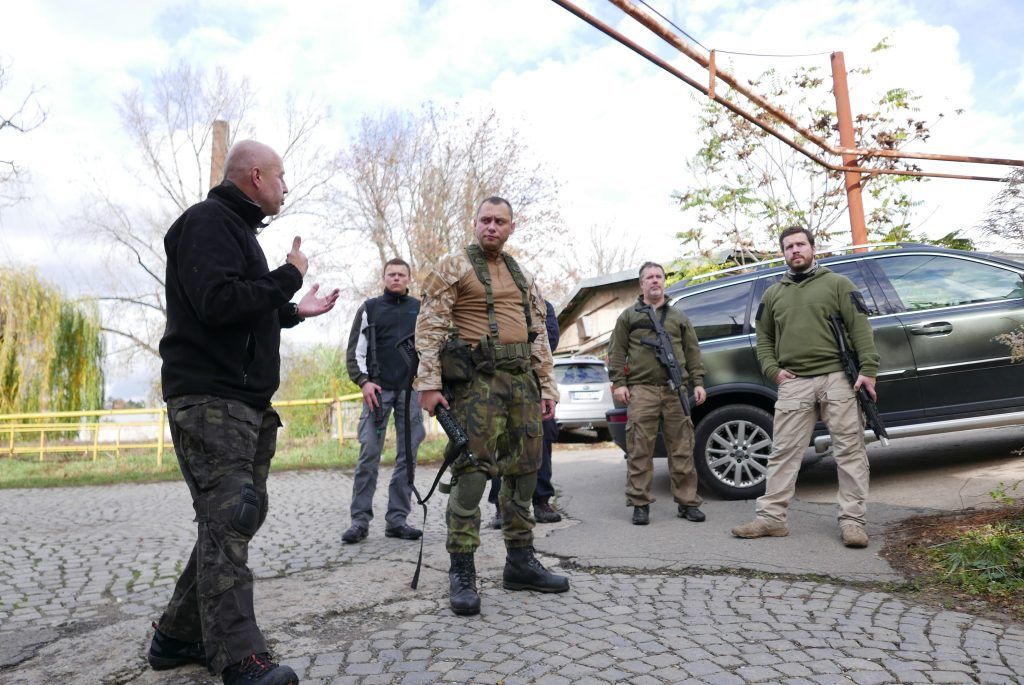
Real practice, not a stage show
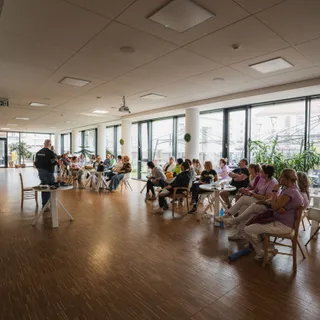
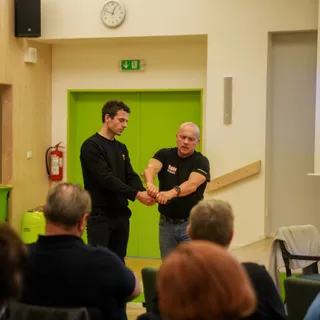
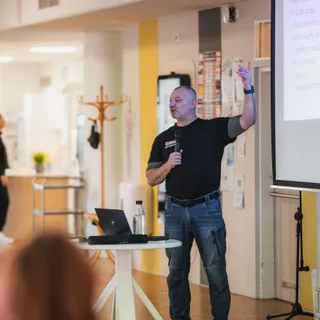
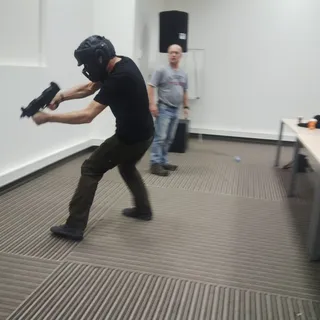
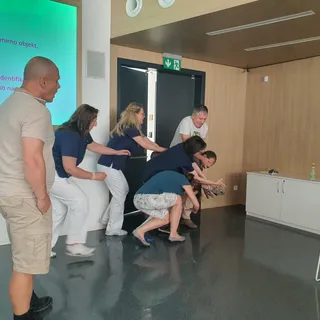
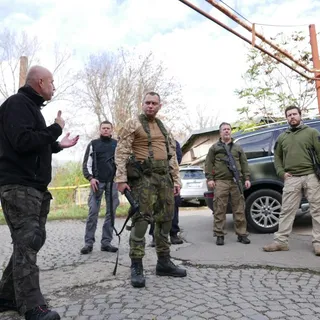
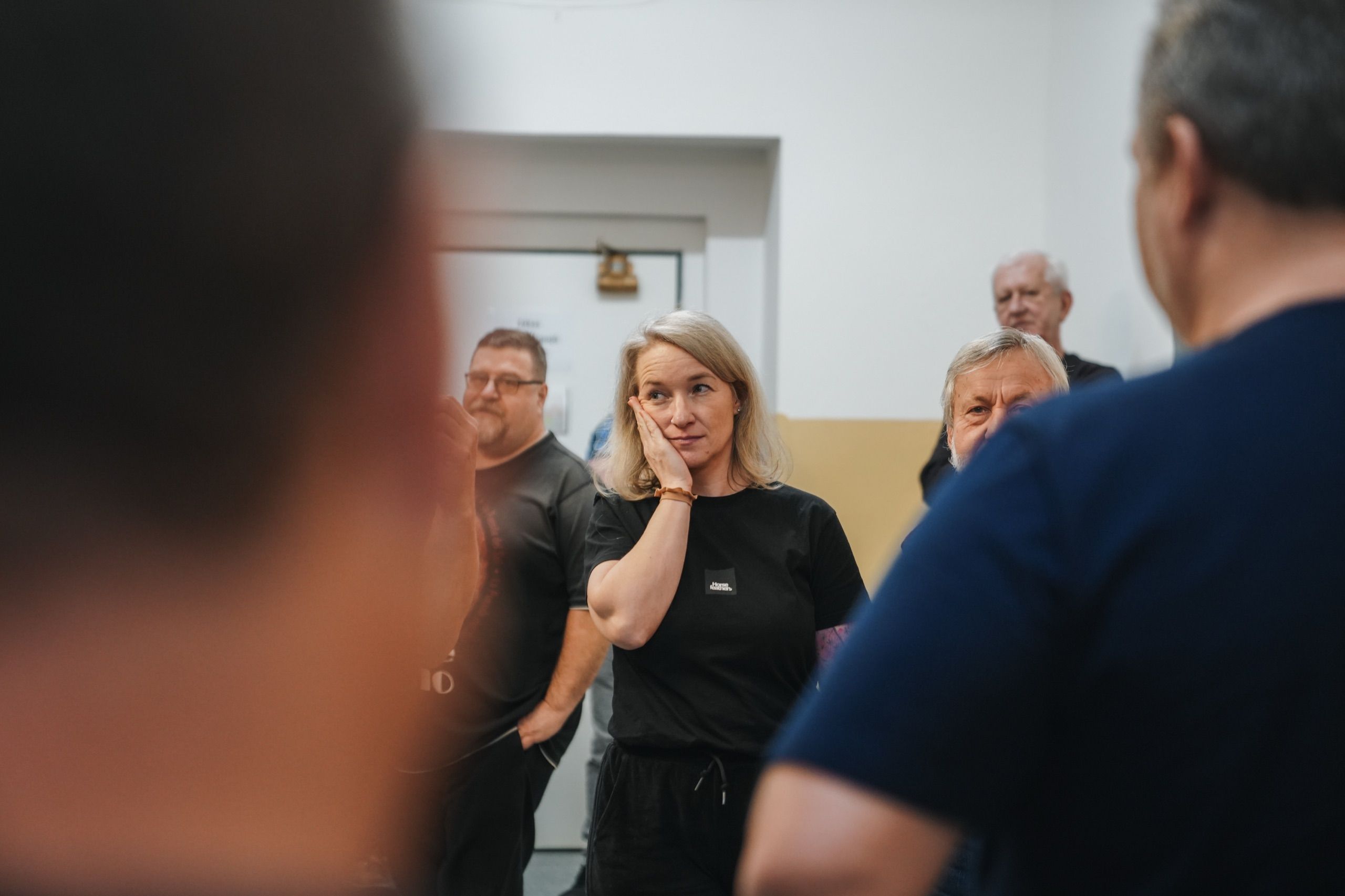
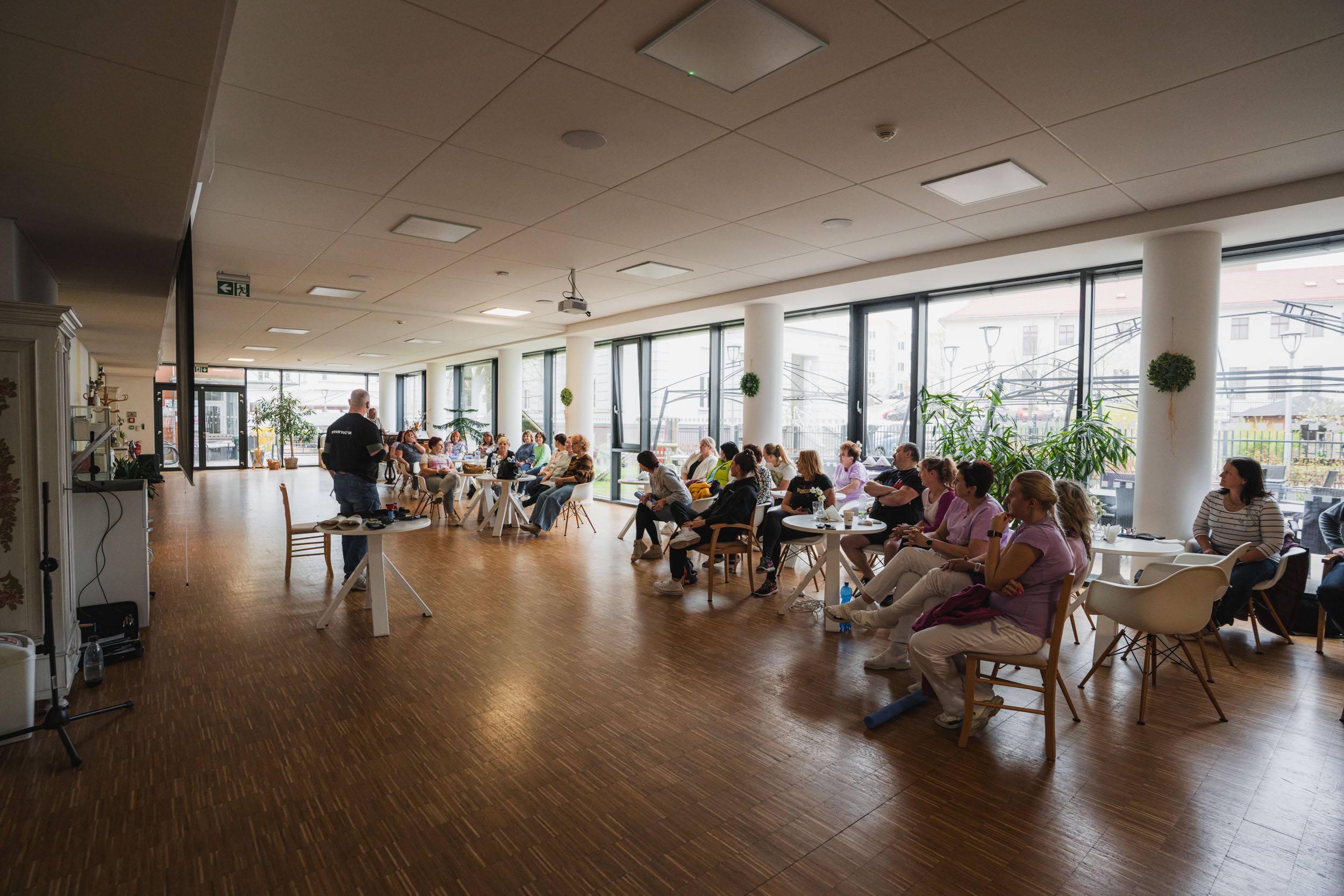
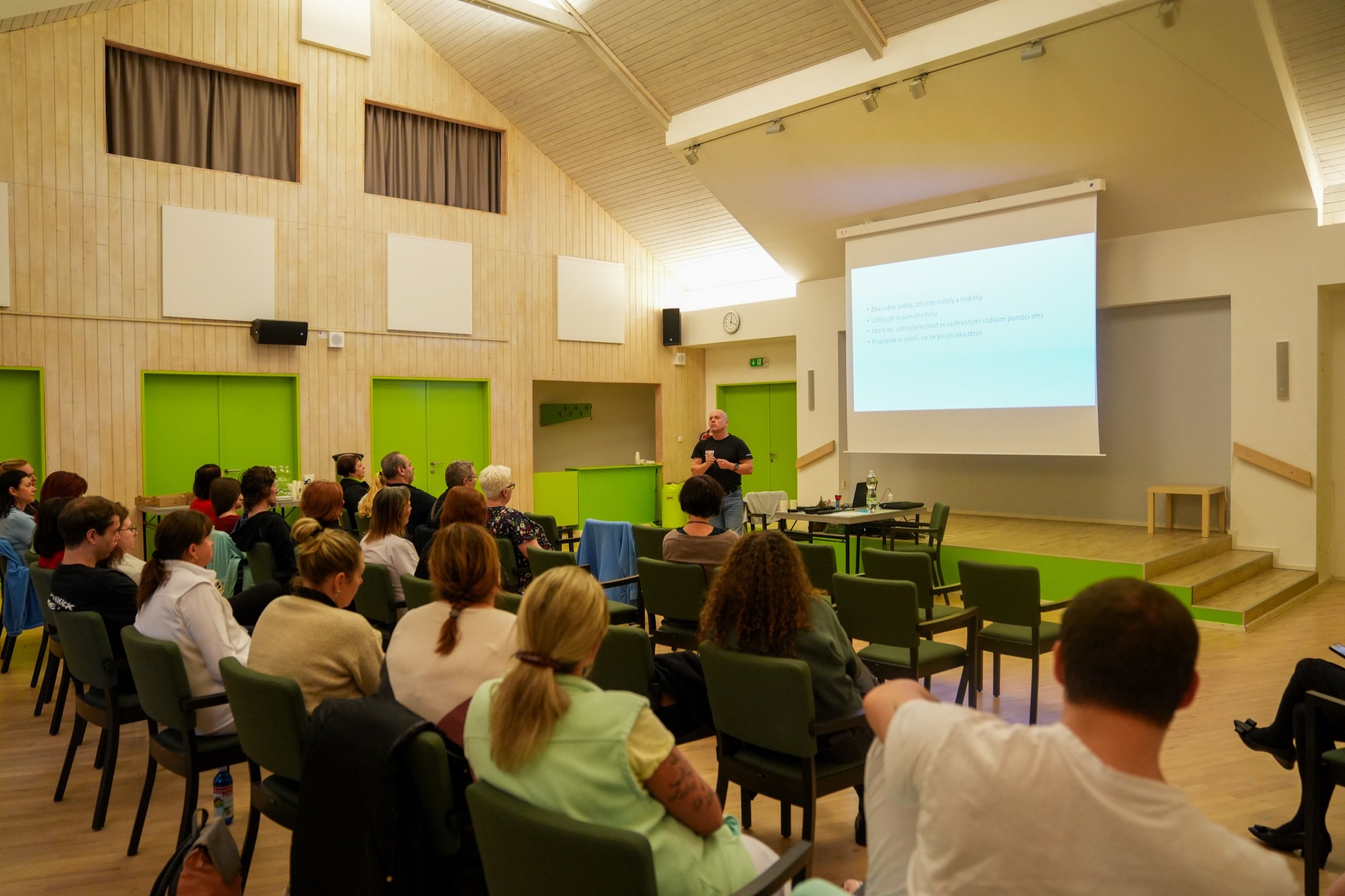
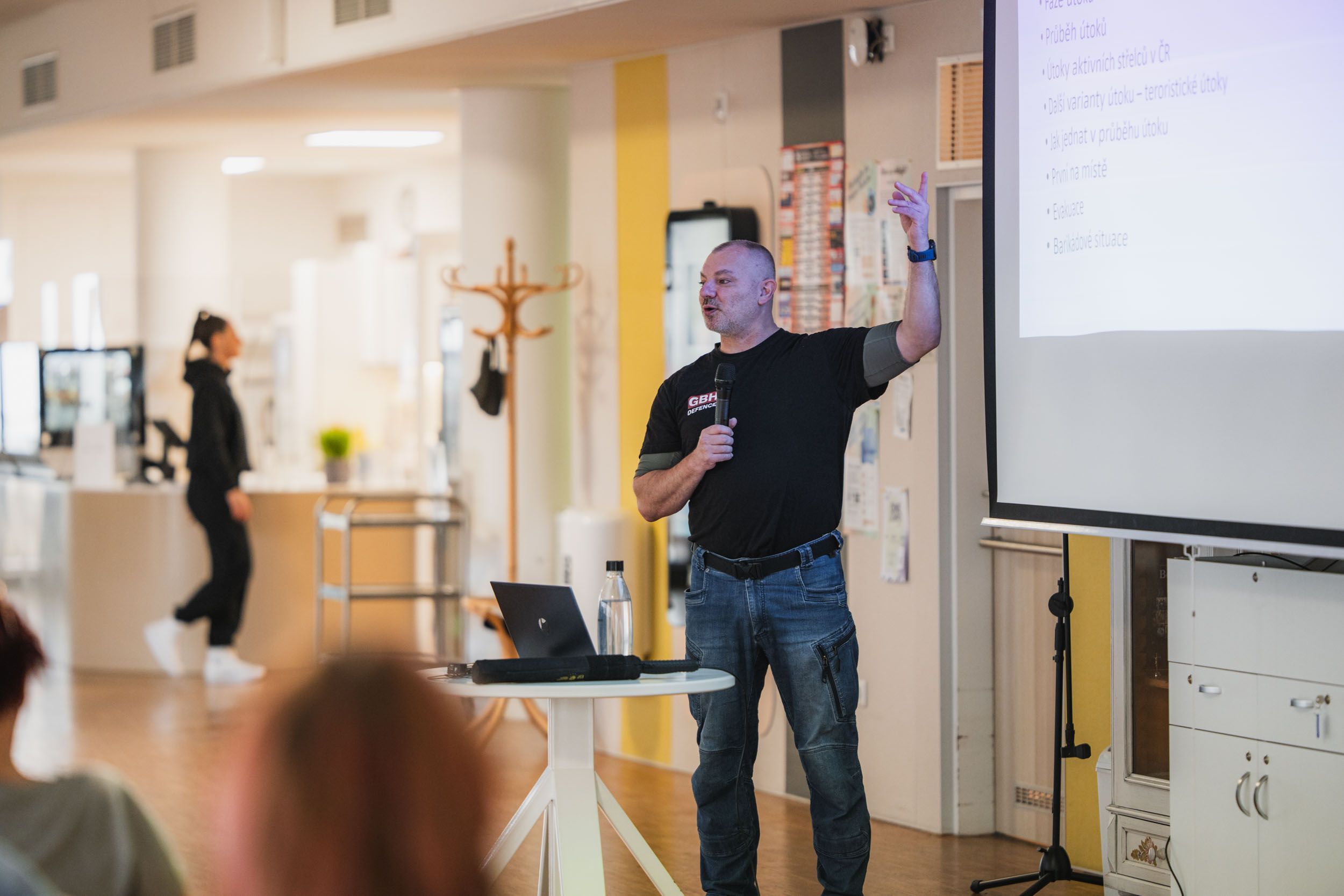
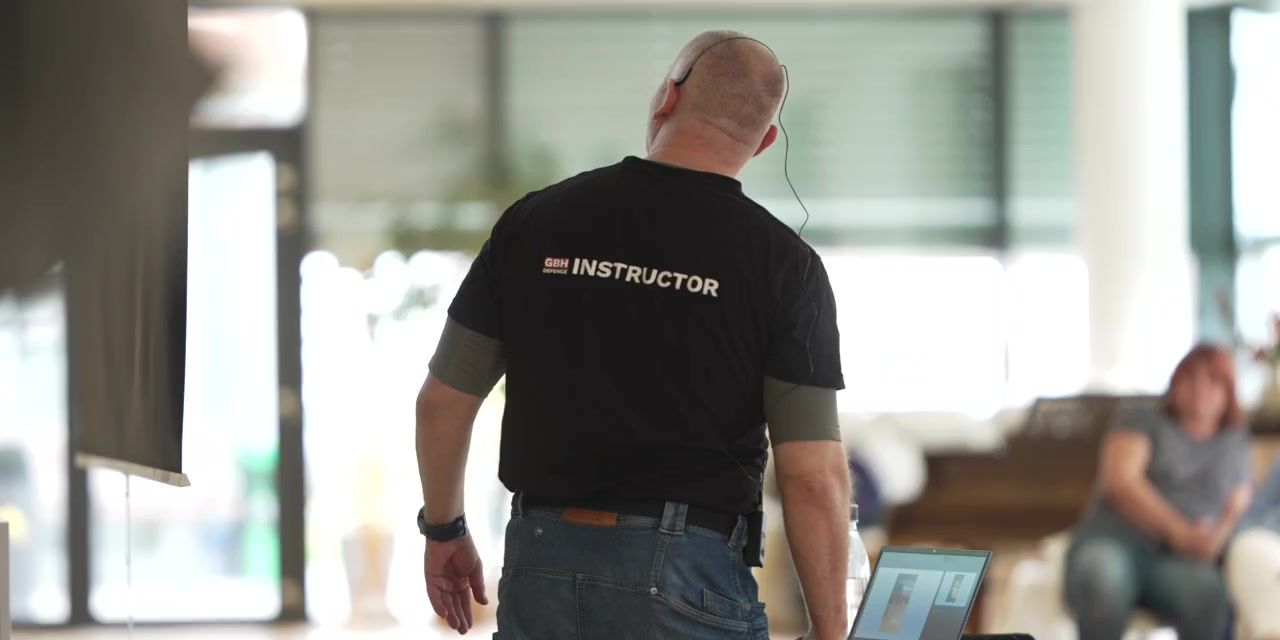
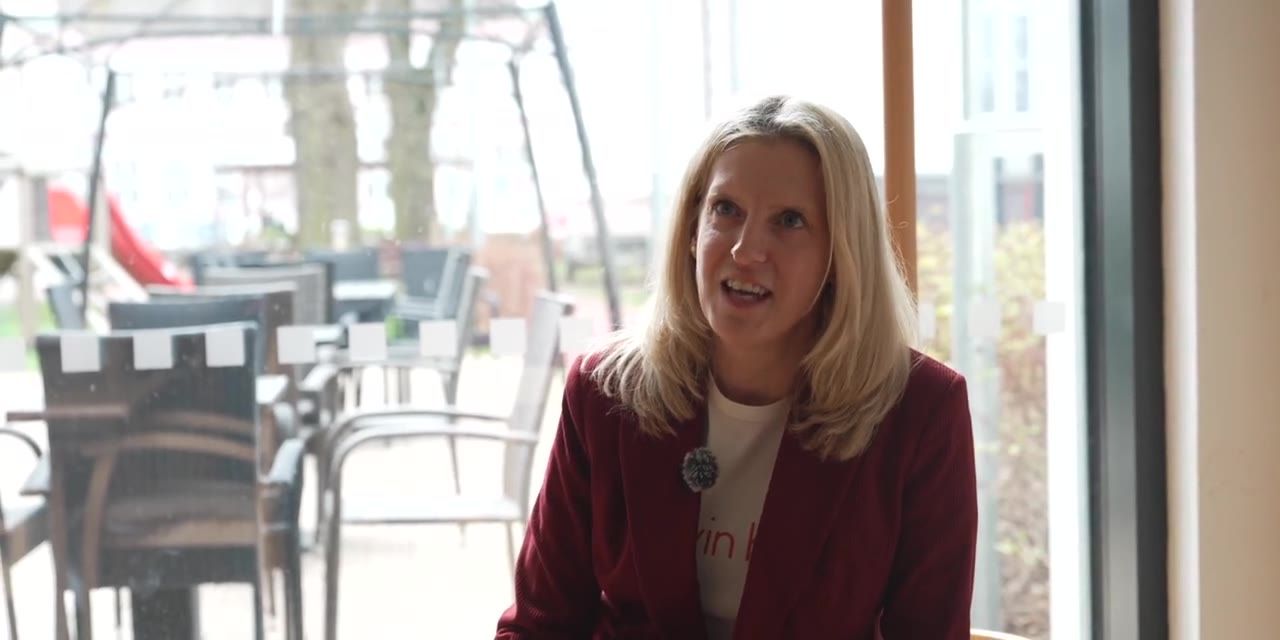
The course is sold by seeing the instructor's work and people's reactions.
GBH does not teach fear. It teaches a specific response under pressure.
Public course
Corporate team
Institution
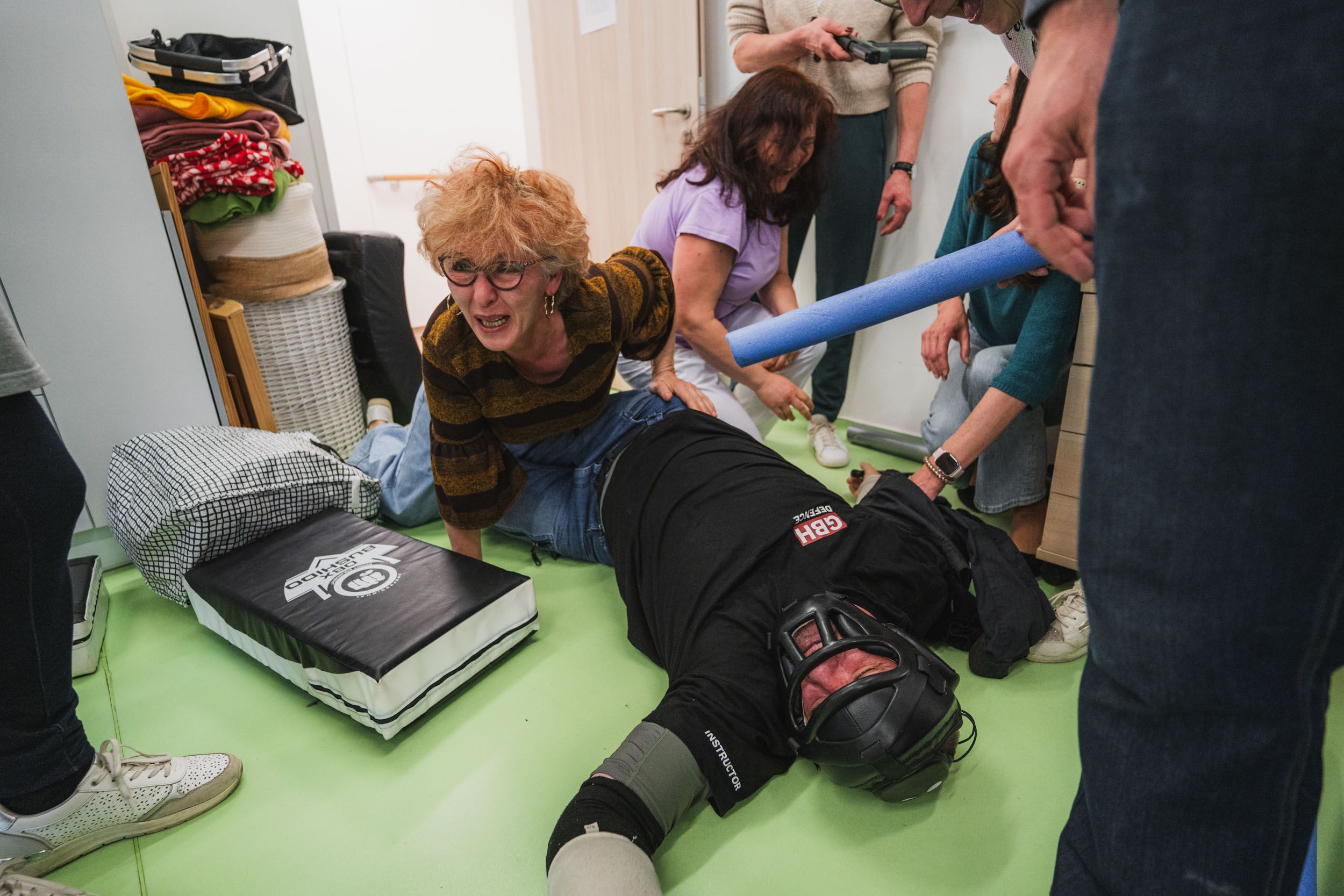
The instructor corrects the participant's specific response in real time.
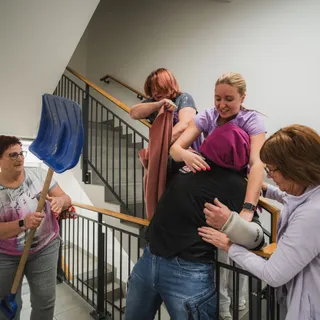
We build scenarios according to the environment: school, company, office, public space.
A person leaves the course with a simple procedure for the first minutes.
Choose a course by target: person, team or institution.
View courses1-2 days
8-16 hours of the program
8–20
People in the group
Case-based
Real cases from practice
Model girl
With extras under pressure
Who is in crisis — categories of attackers (instrumental, expressive, psychotic). What a negotiator needs to recognize in the first 60 seconds.

Behavioral Influence Stairway Model (FBI), LEAPS techniques. How to build rapport with a person in crisis without losing control of the situation.
How a negotiator manages his own stress, breathing under adrenaline, micro-breaks during negotiations. Without this, other techniques fall apart.
The principle of buying time — when nothing can be negotiated, how to stretch the situation for IZS. Detection of escalation rules.
How to hand over negotiations to professional negotiators of the Police of the Czech Republic. What to do until their arrival, how to maintain continuity of communication.
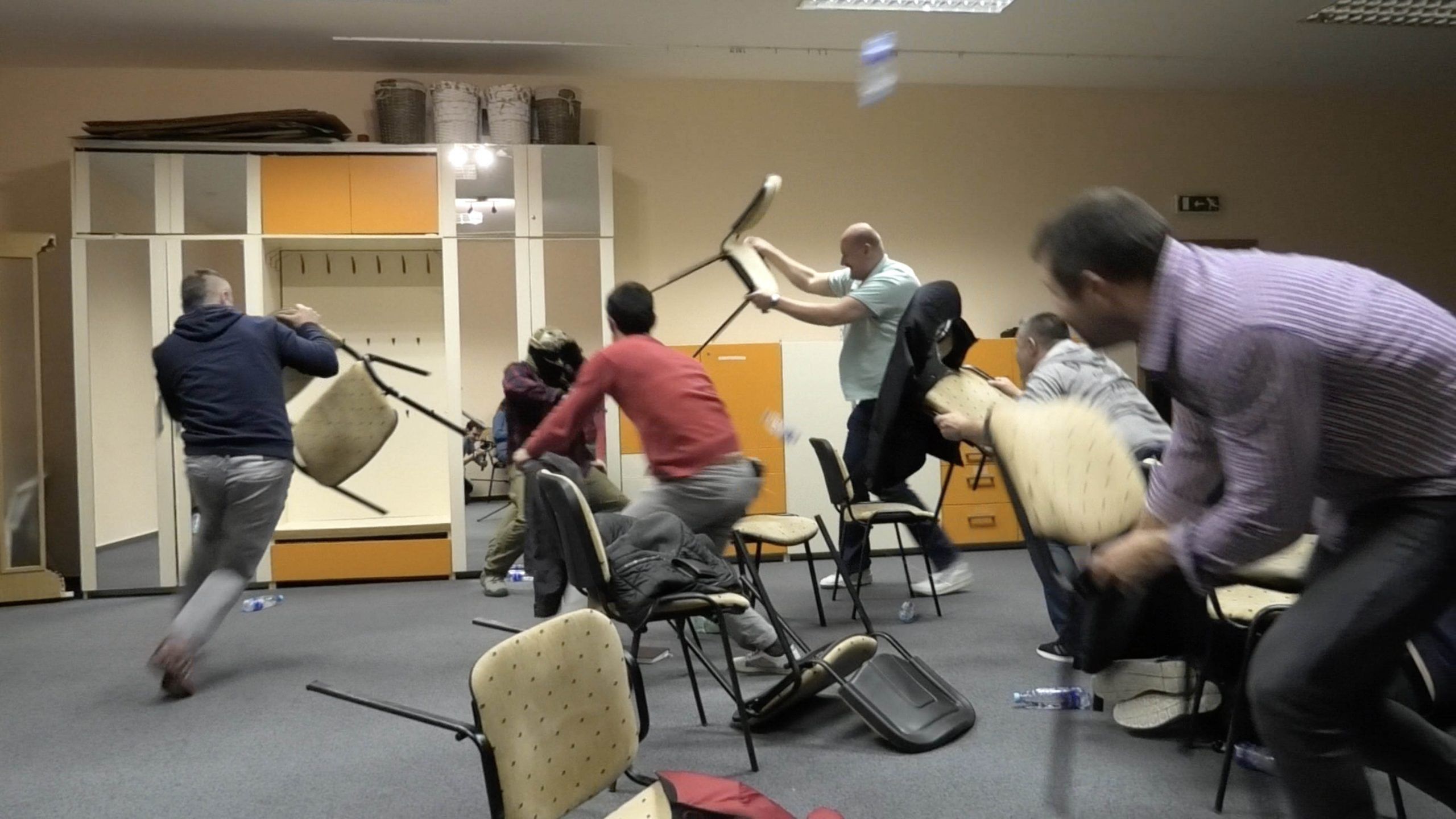
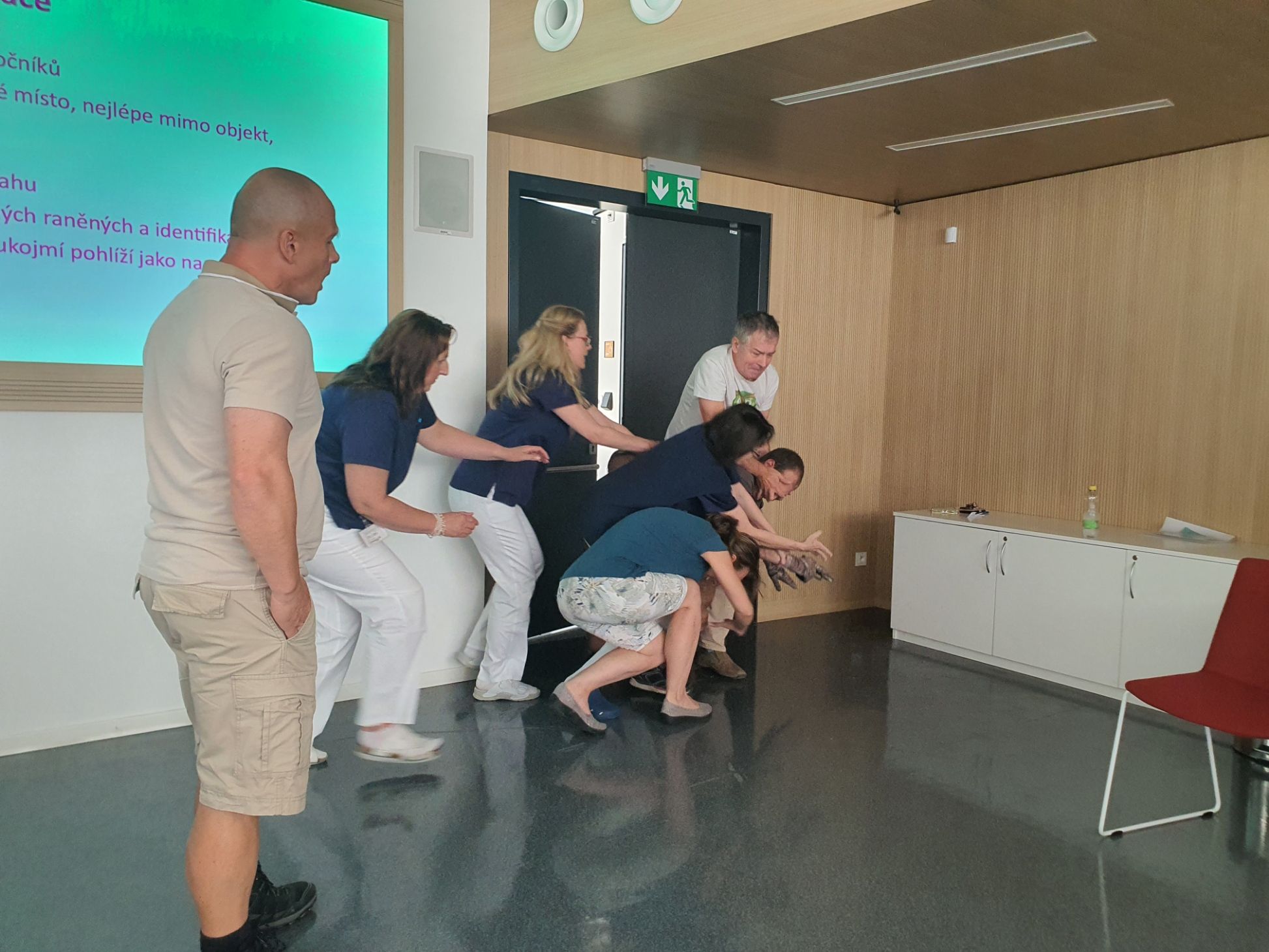
Real scenarios: aggressive customer in traffic, threat at school, family conflict in social service. A structured debrief after each round.
1-2 days
Practical impact
Buy time, reduce tension, turn the situation over to professionals.
Crisis negotiation it's not just for the police. The first minutes often held by reception, security, school management, social worker or HR. The course will give them language, structure and boundaries.
You stand between the attacker and the people behind you. We'll teach you to buy time, de-escalate and turn the situation over to the police — before the worst happens.
When it comes to hostages, threats or coercion, every sentence counts. We will give you FBI techniques (BIFF, LEAPS) proven in real raids.
An aggressive parent, a student in crisis, a threat in the classroom. We will prepare you to speak calmly and confidently even when everything is falling apart.
In the field, you are often alone and without a background. We will show you how to recognize escalation in time and safely back out of a tense situation.
You are the first face an angry person will encounter. We'll teach you how to handle pressure at the counter before it escalates into an incident.
Termination, workplace conflict, threatened employee. We'll give you scripts and communication procedures for when emotions trump reason.
Briefing, model with extras and debrief — close-up training.
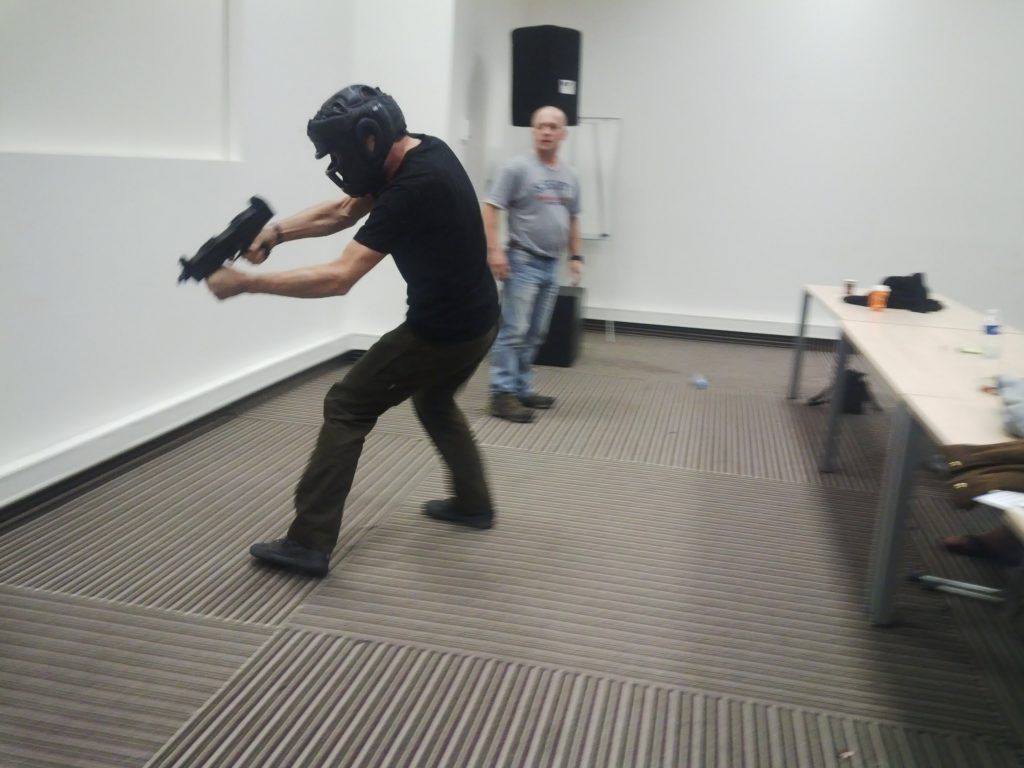
De-escalation is a short interaction — stopping the escalation of a conflict within minutes. Crisis negotiation is longer (tens of minutes to hours) and typically with a higher level of threat — a person with a weapon, with a hostage, in a crisis mental state. We teach both.
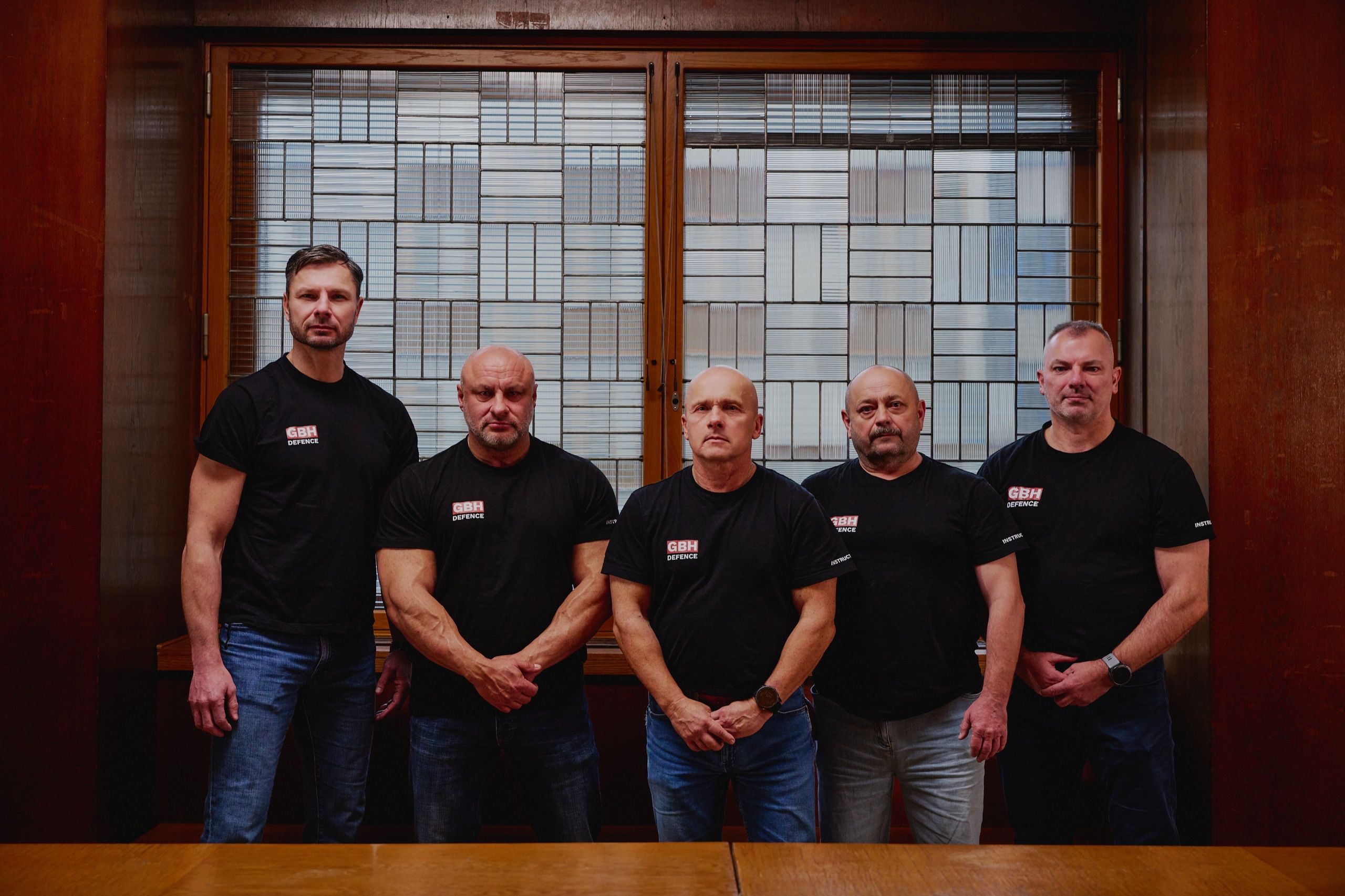
Yes. Former members of the URNA Police of the Czech Republic (intervention unit, where colleagues are usually invited to be negotiators) and operational negotiators with international experience. No academic theory — cases from real interventions (anonymized).
Yes. For top management, we do more of a general workshop (1 day), for the first line and security a practical 2-day workshop with models. It depends on the needs.
Skill drops ~50% over 12 months without repetition. We recommend annual repetition (1 day, only models and debrief) plus a short in-house exercise twice a year.
What next
Send a request — who is to be trained, segment, date. We will come back with a tailor-made program, venue and costing.
Send us a brief inquiry. We tailor programs for security, negotiators and management of institutions.